
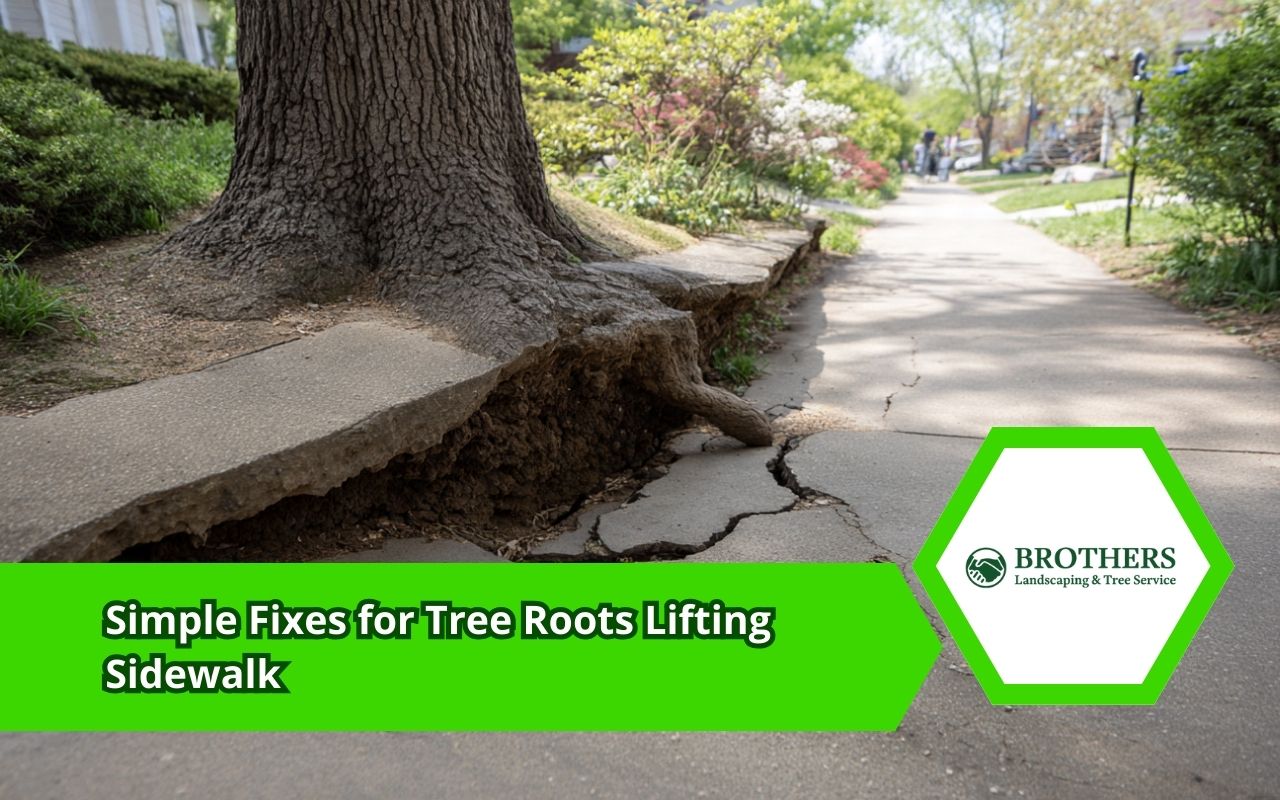
Tree Roots Lifting Sidewalk problems can change a safe walkway into a daily risk. As a result, cracks and uneven slabs can surprise homeowners and cities. However, when you understand the causes, you can choose smarter fixes. This guide shares practical ways to protect sidewalks while still respecting healthy trees.
Understanding Tree Root Growth Patterns
Tree root growth patterns depend on species, soil, and moisture. Some roots grow deep for water. Others spread near the surface. In compact urban soil, roots often move sideways and upward for air. Because of that, Tree Roots Lifting Sidewalk damage can start silently under the slab.
Impact of Roots on Sidewalks
Roots expand and press into joints under concrete. Over time, this force can create sidewalk cracking from roots. Even a small lift can cause trips, slips, and puddles after rain. Moreover, winter freeze can widen small cracks. That is why early action helps reduce costly repairs.
Signs You May Notice Early
Hairline cracks, wavy seams, and raised edges are common clues. In addition, water pooling in low spots can signal shifting slabs. If you spot changes between seasons, document the area. That way, you can plan repairs sooner. Tree Roots Lifting Sidewalk issues are easier to manage when caught early.
Preventative Steps That Help
Regular checks help you stay ahead of damage. Also, improving soil conditions can guide roots away from hard surfaces. However, always protect tree health when you act.
- Use mulch to reduce soil heat and compaction, so roots are more likely to grow downward.
- Improve drainage with soil amendments to limit surface rooting in soggy areas.
- Prune roots carefully when needed, using clean tools and proper techniques.
Choosing Trees That Fit City Spaces
Tree choice matters, especially near walkways. Some species tend to be less aggressive near the surface. Therefore, selecting the right tree can lower future sidewalk cracking from roots.
- Consider smaller trees when space is tight, since they often demand fewer surface roots.
- Avoid species known for wide, thirsty roots near pavement and irrigation lines.
- Ask a local nursery for options that match your climate and soil conditions.
Root Barriers That Guide Growth
Root barriers can redirect roots downward and away from slabs. Typically, crews dig a trench and place durable panels along the sidewalk edge. Then, they backfill carefully to keep the barrier straight. When installed well, Tree Roots Lifting Sidewalk risks can drop for years. Still, periodic checks help catch any weak spots.
Sidewalk Repair Options
Repairs work best when they address both the slab and the root pressure. First, remove damaged sections and clear the base. Next, rebuild the foundation so the surface stays level.
- Replace lifted slabs after preparing a stable gravel base and proper leveling.
- Use flexible sealants for minor cracks to handle small shifts with temperature changes.
- Install interlocking pavers for easier resets if minor lifting returns.
If removal is the safest path, learn what a careful tree removal plan looks like before work begins.
Working With Local Authorities
If a whole block shows damage, talk with local public works. Many towns set planting rules and repair standards. In some cases, they also coordinate inspections for problem areas. Meanwhile, homeowners can support safer sidewalks by following approved guidance and reporting hazards early.
Community Awareness and Education
Neighborhood education reduces accidents and repeat damage. For example, workshops can teach residents how to spot sidewalk cracking from roots and when to call an arborist. Sharing simple guides online also helps. If removal becomes necessary, review these tree removal safety tips to support safer decisions.
Frequently Asked Questions
Why do roots lift sidewalks in cities?
Urban soil is often compacted. Because roots need air, they may grow near the surface. Over time, they press into joints and lift slabs.
Can I cut the roots myself?
Sometimes, but it can harm the tree. Therefore, it is safer to consult a qualified arborist before pruning large roots near walkways.
Do root barriers always work?
They work best when installed at the right depth and inspected over time. However, shifting soil can create gaps that roots may exploit.
When should I think about removing the tree?
If the tree is unsafe, declining, or repeatedly damages infrastructure, removal may be the safest option. Read when to consider tree removal safety to understand common warning signs.
Who can help me assess the risk?
A certified arborist can assess root impact and tree health. To plan the next step, you can contact Brother Tree Service for an on-site assessment.
Balancing Sidewalk Safety and Healthy Trees
Good planning keeps trees and sidewalks working together. When you spot early movement, you can act before damage spreads. By combining smart planting, prevention, and repairs, you protect your community. Tree Roots Lifting Sidewalk issues can be managed with steady care and the right support.