
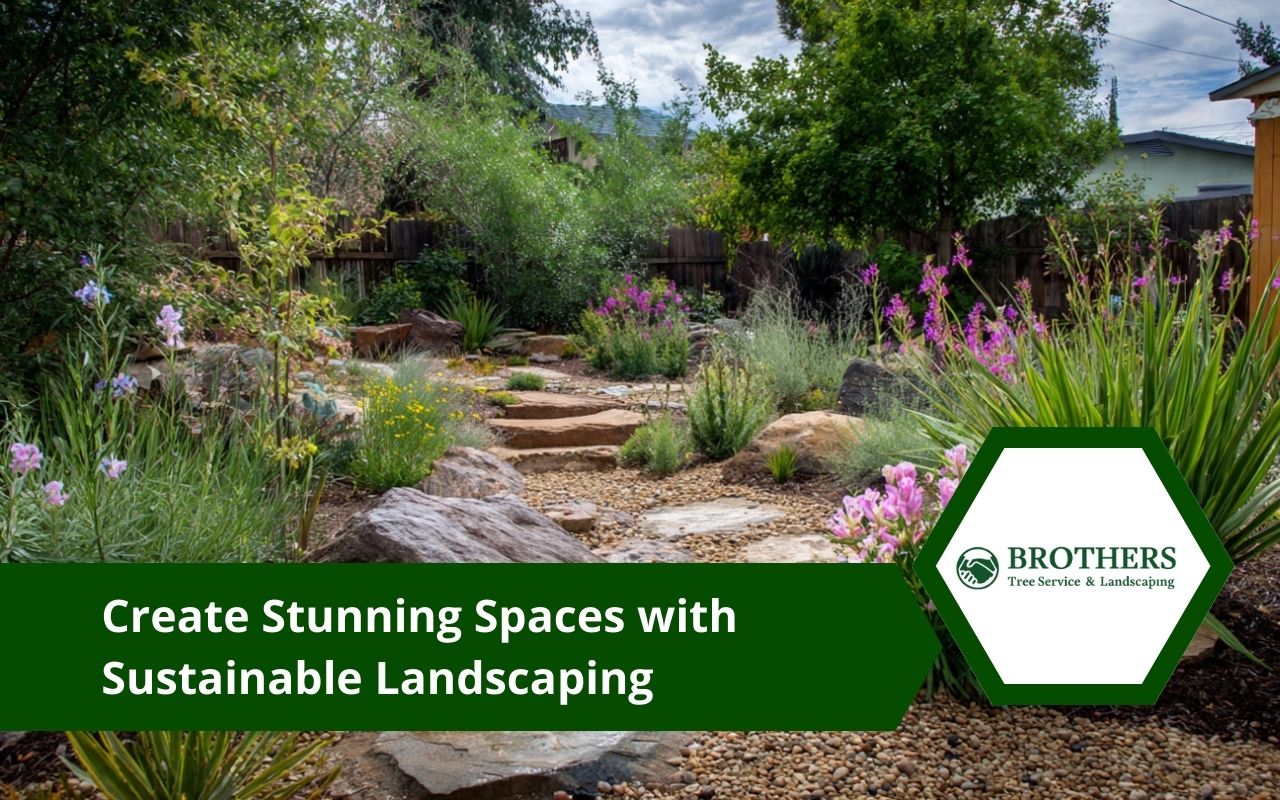
Sustainable Landscaping helps you blend beauty with responsibility. Moreover, it lets you enjoy a yard that supports the planet. Eco-friendly yard tips are rising fast, because more homeowners want greener outdoor spaces.
Also, low water gardening is now a smart shift, not a short trend. As a result, you can save water while keeping your garden useful and inviting.
Why Sustainable Landscaping Matters for Your Yard
Sustainable Landscaping reduces waste and supports healthier soil. In addition, it can lower water use and cut chemical needs. Therefore, you can create a yard that matches your values and still looks amazing.
- Protects local water and soil
- Supports pollinators and birds
- Reduces long-term yard inputs
Use Native Plants for a Stronger Landscape
Native plants thrive in local soil and weather. Because of that, they need less water and fewer treatments. Additionally, they help your yard feel connected to the local environment.
To explore plant-first planning, read native landscaping designs. Then, use those ideas to build a yard that stays strong through the seasons.
- Choose early bloomers to feed pollinators sooner
- Add summer plants that handle heat better
- Include fall berries and seed heads for birds
Low Water Gardening with Smarter Irrigation
Low water gardening works best when water goes right to plant roots. For example, drip lines and soaker hoses reduce runoff. Also, timers and moisture sensors help you avoid overwatering.
Meanwhile, group plants by water needs, which is often called “watering zones.” As a result, drought-tough plants do not get drowned by the schedule of thirstier ones.
- Switch spray heads to low-flow emitters
- Add rain sensors to pause watering
- Use a smart controller linked to local weather
Composting and Mulching for Healthier Soil
Composting turns scraps and yard waste into rich soil food. Therefore, you can improve soil texture without harsh products. Also, mulch helps keep moisture in and weeds out.
For best results, layer green and brown materials and turn the pile often. Then, spread finished compost in beds, borders, or pots for steady growth.
Build Habitat Spaces for Wildlife
Wildlife-friendly yards support biodiversity. For instance, add birdhouses, insect shelters, and native shrubs for food and cover. Also, a shallow birdbath can bring movement and calm to your yard.
Additionally, mix tall plants, mid-level blooms, and ground covers. As a result, more species can nest, hide, and forage in your space.
Eco-Friendly Hardscaping That Handles Rain Better
Hardscaping can still be earth-friendly. For example, permeable pavers and reclaimed brick help water soak into the ground. Also, local materials can reduce transport impact.
To see practical inspiration, visit Sustainable Landscaping ideas. Then, pair those ideas with plants so the built areas feel natural.
Outdoor Lighting That Uses Less Energy
LED and solar lights reduce power use and glare. Moreover, timers and motion sensors keep lights on only when needed. As a result, you improve safety while wasting less energy.
Also, warm-toned bulbs can create a softer feel. Therefore, your yard stays cozy without flooding the space with bright light.
Rainwater Harvesting for Practical Water Savings
Rain barrels collect roof runoff for later use. Consequently, you can water beds, rinse tools, or refill small features with free water. Also, adding a diverter helps keep debris out.
When possible, pair stored rainwater with drip lines. Then, you deliver water right where plants need it and reduce waste further.
Sustainable Lawn Care for a Greener Look
Let grass grow a bit taller so roots grow deeper. Because of that, you can water less often. Also, leave clippings to feed soil and reduce bagged waste.
Additionally, aerate compacted areas to improve airflow and water soak-in. For longer-term planning, review low maintenance landscape plans and apply the ideas to your lawn zones.
Vertical Gardening for Small Spaces
Vertical gardens save space and can simplify watering. For example, living walls and hanging planters work well for herbs and small crops. Also, they can shade nearby walls and help reduce heat.
Use recycled pallets or modular panels when you can. Then, choose hardy plants so the feature stays full with less effort.
Frequently Asked Questions
What is Sustainable Landscaping?
Sustainable Landscaping is a way to design and care for yards using fewer resources. It focuses on healthier soil, smarter water use, and better habitat support.
How do native plants help the environment?
Native plants usually need less watering and fewer treatments. As a result, they support local insects and birds while reducing yard inputs.
What are the best eco-friendly yard tips to start with?
Start with mulch, composting, and plant choices. Then, improve watering with drip lines and timers for better control.
How can low water gardening still look lush?
Use drought-tough plants and group them by water needs. Also, add mulch and water early to reduce evaporation.
When should I contact a local landscaping team?
If you want a full plan or upgrades like irrigation and hardscaping, expert help can save time. You can reach Brothers Tree Service & Landscaping through the contact page.
Bring It All Together with Sustainable Landscaping
Sustainable Landscaping becomes easier when you combine small changes. For example, native plants, compost, and smart watering work well together. Moreover, habitat corners and efficient lighting add value without extra strain.
Start with one update, then build from there. As a result, Sustainable Landscaping can shape a yard that feels calm, useful, and ready for the future.