
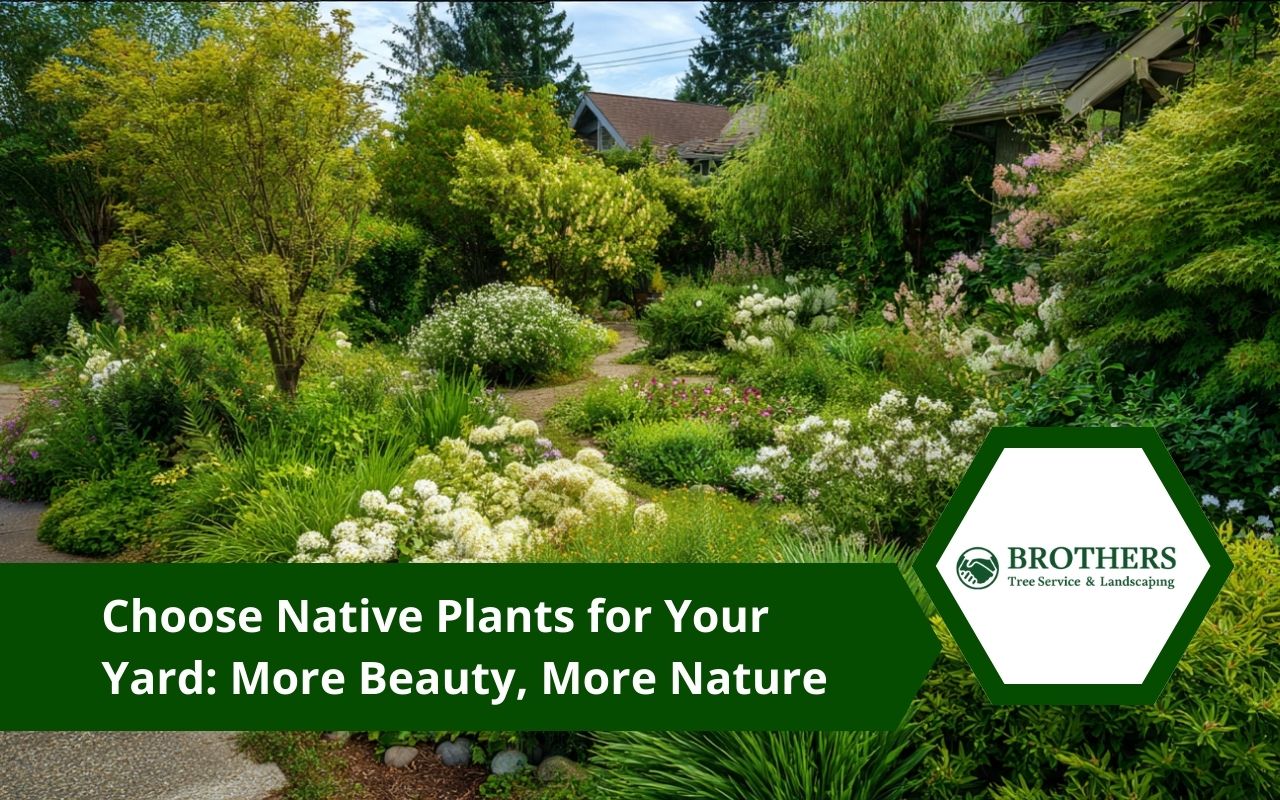
Planting Native Plants for Yard can turn your outdoor space into a colorful, self-sustaining habitat. Since natives fit local conditions, they often need less water and less work than many traditional gardens.
Also, Native Plants for Yard support birds, bees, and butterflies. In Washington State, you can pair Best native shrubs in WA with Wildlife-friendly plants to create a lush, local haven that boosts biodiversity.
Benefits of Planting Native Plants in Your Yard
Native Plants for Yard offer more than curb appeal. Because these plants match local soil and weather, they usually need less watering, fewer fertilizers, and less pest control. As a result, you can save time while still enjoying strong growth and seasonal color.
Also, a native-focused yard supports Wildlife-friendly plants that feed and shelter songbirds, butterflies, and helpful insects. When you mix trees, flowers, and Best native shrubs in WA, your space can feel like a small nature preserve.
- Lower water needs once established
- Less reliance on fertilizers and sprays
- More habitat for pollinators and birds
- Seasonal interest that follows nature’s rhythm
Why Native Plants Matter for Local Ecosystems
Choosing Native Plants for Yard helps protect the living systems around your home. Over time, native species formed tight links with local insects, birds, and soil life. However, some foreign plants can break those links and even spread aggressively.
Meanwhile, native vegetation can reduce erosion, filter runoff, and store carbon in the soil. Therefore, when you plant locally adapted varieties, your yard becomes more resilient to drought, pests, and disease.
Select the Right Native Plants for Your Region
Start with your local growing zone and your yard’s microclimates. Then match plants to sun, soil, and moisture. In Washington State, many homeowners look for Best native shrubs in WA because they handle varied rainfall and soils well.
Also, group plants with similar needs together. This simple step makes care easier and, at the same time, mimics patterns found in wild habitats. If you want ideas that fit local conditions, explore these native-focused resources from Brothers Tree Service & Landscaping.
- Native landscaping designs that blend beauty and function
- Best plants for Mason County to match your microclimate
- Native flowers for Washington State for color and pollinators
Create a Wildlife-Friendly Habitat with Native Plants
Wildlife-friendly plants work best when you offer food, shelter, and water in one space. For example, layer tall trees, mid-height shrubs, and low groundcovers. This structure helps birds and small mammals feel safe.
Also, plant blooms across seasons so nectar and pollen stay available. Add berry-producing shrubs for winter meals, and leave some seed heads for finches. Finally, a shallow water dish can turn your yard into a true wildlife stop.
Design Tips for Using Native Plants in Your Landscape
Designing with Native Plants for Yard can feel both creative and practical. First, note sun exposure, slopes, and existing trees. Then use curved bed lines, since curves feel natural and guide the eye through the space.
Mix heights, textures, and colors for year-round interest. Group the same plants in drifts for a bold look, then add a few accents for contrast. Also, include paths to reduce soil compaction and make upkeep easier.
Maintain Native Plants: Care and Watering Tips
Native plants are usually easiest after they settle in. During the first year, water deeply but not too often to build strong roots. After that, many species can rely mostly on rainfall, especially when you keep a light mulch layer.
Prune only as needed. In many cases, light thinning works better than heavy shaping. Also, avoid broad spraying, because natural predators often keep pests in check when your yard supports balanced habitat.
Attract Pollinators with Native Plants
Pollinators respond to flower shapes, colors, and bloom timing. So, plant in clusters to make feeding easier. Then plan for a steady bloom sequence from early spring to late fall.
For example, early bloomers support the first bees of the season. Mid-season flowers keep butterflies active. Late bloomers help pollinators store energy for colder months. Therefore, your yard stays lively for longer.
Enhance Biodiversity Through Native Plant Choices
Biodiversity grows when you plant variety. Each native species supports different insects, and those insects feed birds and other wildlife. So, aim for a balanced mix of trees, shrubs, grasses, and perennials.
Also, include host plants for butterfly larvae and dense shrubs for nesting cover. Over time, healthier life above ground often signals healthier soil below ground as well.
Frequently Asked Questions
What are the first steps to start with native plants?
Begin by noting sun, soil, and moisture. Then pick a small area and plant a few proven natives that match those conditions.
Do native plants always need less water?
In the first year, they need regular deep watering. However, once established, many natives need less supplemental water than non-natives.
How do native plants help wildlife?
They provide nectar, seeds, berries, and shelter. Also, they support native insects that birds rely on for food.
Can I mix native and non-native plants?
Yes, you can. Still, keep natives as the foundation so your yard stays supportive for local ecosystems and pollinators.
When should I plant natives in Washington State?
Fall and early spring are often ideal. Cooler temperatures and seasonal rain can help roots establish more easily.
Overcome Common Challenges When Growing Native Plants
Some gardeners worry about transplant stress or slow early growth. To reduce risk, buy young plants from trusted nurseries and plant at the right season. Also, keep weeds down while natives establish.
If deer or rabbits browse heavily, use physical barriers like netting. Meanwhile, mulch and hand-pulling early in the season can limit invasive grasses. As natives mature, they often form dense growth that crowds weeds out.
The Lasting Impact of Choosing Native Plants
Native Plants for Yard can deliver long-term rewards for you and your environment. Since these plants fit local conditions, you can get a vibrant landscape with less water, less fertilizer, and less ongoing effort.
Also, your yard can become a learning space where visitors see Wildlife-friendly plants in action. If you’d like help planning a native-focused outdoor space, reach Brothers Tree Service & Landscaping through their contact page for native landscape guidance.