
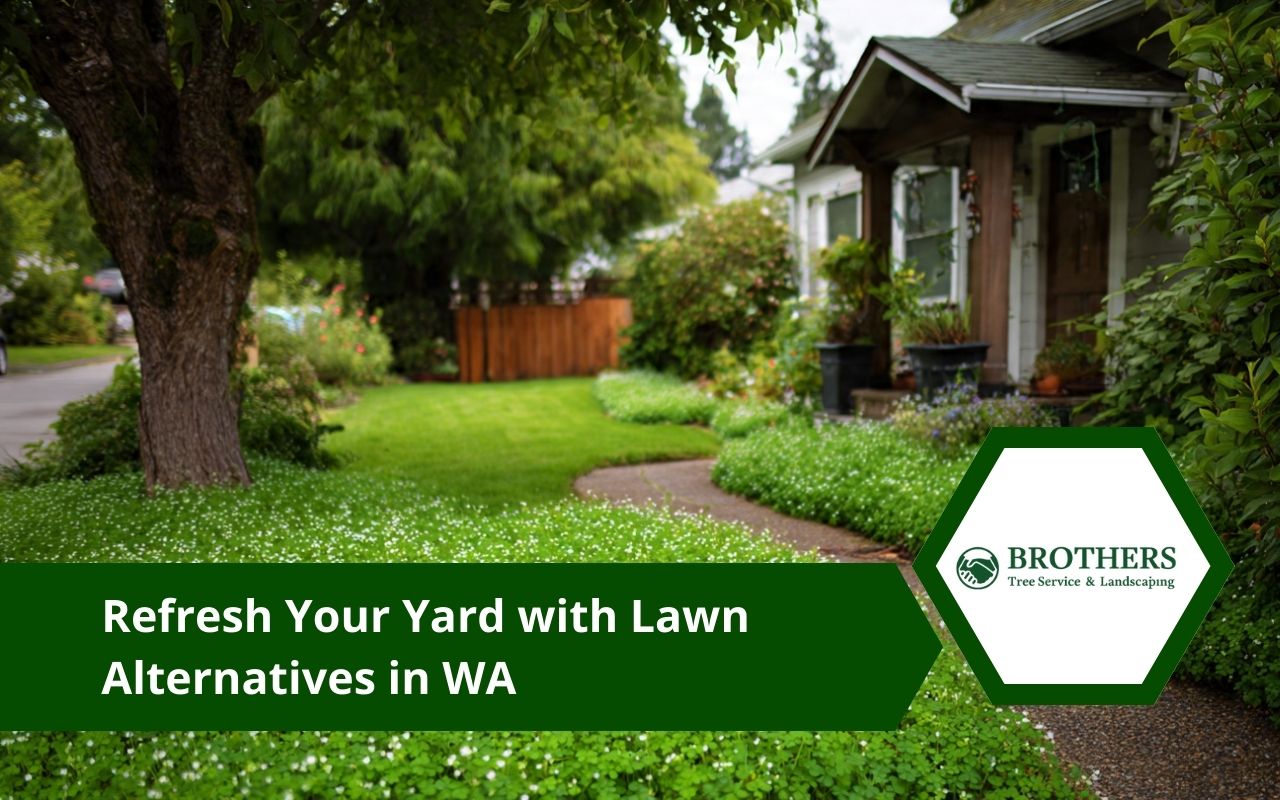
Reconsider the traditional look of your backyard. Many homeowners in Washington are saying goodbye to the typical, high-maintenance lawn and embracing the charm and sustainability of lawn alternatives. Lawn Alternatives in WA can refresh your outdoor space, reduce water use, and limit the need for chemical fertilizers.
Imagine walking barefoot on a lush, eco-friendly surface that stays vibrant through the seasons with less constant care. Native plants, clover, and moss add variety and invite helpful insects and birds, creating a small sanctuary at home.
Benefits of Lawn Alternatives in Washington
Next to a standard turf lawn, Lawn Alternatives in WA bring clear advantages. By choosing options suited to Washington’s climate, you can save water, reduce mowing, and spend less time on weekly upkeep. Also, many choices thrive on rainwater once established, which helps during drier summers.
- Lower water use and fewer irrigation needs
- Less mowing and simpler routine care
- Reduced fertilizer and pesticide use
- More texture, color, and seasonal interest
Additionally, fewer chemicals can mean less runoff into local streams. If you want ideas that keep upkeep simple, explore low-maintenance yards in Mason County for practical planning approaches.
Native Plants: A Sustainable Choice
Choosing native plants is one of the most earth-friendly ways to green your yard. These species are built for Washington soils, light, and rainfall, so they often need less extra watering and fewer soil changes. Their deeper roots also help hold soil in place, which supports better water flow.
- Support bees, butterflies, and local wildlife
- Handle local rain patterns with less irrigation
- Add year-round structure with less stress
For example, Pacific ninebark, Oregon grape, and native grasses like blue wild rye can add steady interest. To expand your planting list, browse native flowers for Washington State and build a yard that feels natural and lively.
Clover: A Low-Upkeep Ground Cover Option
Clover lawns are gaining attention as a soft alternative to grass. This low plant forms a dense mat that can crowd out weeds and stay greener in dry spells. Once it settles in, it needs less watering and almost no fertilizer, which helps busy homeowners.
- Can reduce weeds by creating a thicker cover
- May need less watering after it establishes
- Adds natural nitrogen back into the soil
Also, clover blooms can attract pollinators for much of the season. By replacing grass with plants like clover, you can get a yard that feels comfortable underfoot while staying easier to manage.
Moss: Adding Texture and Beauty to Your Yard
Using moss offers a fresh take on turf, especially in shady spaces. Moss tends to do well under trees and on north-facing areas, where grass often struggles. It needs no mowing, and it can look rich and green through rainy winters and cooler summers.
- Works well in shade and moist soils
- Does not require mowing
- Helps reduce runoff and erosion in some areas
Maintenance can stay simple: remove debris and rinse when needed. Once it fills in, moss can create a calm, velvety surface that stands out as a unique Lawn Alternatives in WA option.
Design Tips for Incorporating Lawn Alternatives
Start by mapping your yard into zones, such as sunny spots, shaded corners, and high-traffic areas. Then match each choice to the right place. For instance, place clover near seating areas and moss in shaded hollows. Also, use edging to keep sections neat and prevent plants from mixing too much.
- Sketch zones: shade, sun, traffic, and quiet areas
- Create clean borders using stone, mulch, or gravel
- Mix textures for balance and visual variety
To support drier areas and reduce watering needs, consider blending these ideas with xeriscape ideas for a front yard, especially where summer sun hits hardest.
Maintenance Guide for a Thriving Yard
Keeping alternative lawns healthy can be simpler than turf. Water new plantings deeply but not too often, since this supports stronger roots. Then, as plants establish, many choices can rely more on natural rainfall through Washington’s seasons.
Control weeds early with hand pulling, because dense ground covers can limit weeds over time. In late winter, trim dead stems from native plantings. Also, mow clover to about three inches in spring to encourage fresh growth. Avoid harsh chemicals, since these systems often do best when you work with nature.
Attracting Wildlife with Lawn Alternatives
Replacing grass with plants can invite more helpful wildlife. Clover blooms can draw bees, while native flowers can support butterflies and hummingbirds. As you add more plant variety, your yard can become a small habitat with food and shelter throughout the year.
For example, a shallow water dish can attract birds, and small rock piles can offer cover for frogs and lizards. Also, adding a bee hotel near flowering patches can improve pollination. With steady habitat options, your yard can feel more alive each season.
Environmental Impact of Choosing Lawn Alternatives
Adopting Lawn Alternatives in WA can lower water use, because many native species, moss, and clover can rely on rainfall after they establish. This can reduce strain on local systems during summer. Also, using fewer fertilizers and pesticides can help limit runoff into streams and wetlands.
In addition, diverse plantings can improve soil health by supporting beneficial microbes and adding organic matter over time. While a traditional lawn can be uniform, mixed plantings can build a stronger landscape that supports long-term resilience.
Case Studies: Successful Lawn Alternative Transformations
In Seattle’s Capitol Hill neighborhood, the Morgan family swapped their lawn for a blend of clover, wild violets, and native grasses. Within two seasons, they saw less watering and more pollinators. Their yard became a local example of what a diverse ground cover can do.
In Spokane, a couple turned a sloped, shady front yard into a moss garden with stepping stones. Since grass struggled there, moss offered a stable, low-upkeep solution. On Bainbridge Island, a community park added native wildflower meadows with clover paths, which helped reduce ongoing labor while adding seasonal color.
Frequently Asked Questions
1) What are the easiest Lawn Alternatives in WA to start with?
Clover and native ground covers are often easier to establish. Start small, then expand as the plants fill in.
2) Do clover and moss lawns work well in Washington’s weather?
Yes, they can. Clover handles many conditions, while moss does best in shade and steady moisture.
3) How long does replacing grass with plants usually take?
It depends on site conditions and preparation. However, many yards look noticeably fuller within one to two growing seasons.
4) Will Lawn Alternatives in WA reduce watering and chemicals?
Often, yes. Many alternatives need less irrigation and fewer inputs once they establish, which can also reduce runoff.
5) Can I mix native plants with clover and moss in one yard?
Yes. Use zones based on sun, shade, and foot traffic, so each option grows in its best spot.
Embracing the Beauty and Sustainability of Lawn Alternatives
By choosing Lawn Alternatives in WA, you can save water, reduce chemicals, and welcome more wildlife into your yard. Whether you choose clover and moss lawns or native plantings, you can enjoy more variety with less upkeep. If you want guidance for your next steps, Brothers Tree Service & Landscaping can help you plan a yard that fits your site and goals.
For project questions or a site visit request, reach out through the Brothers Tree Service & Landscaping contact page to discuss options that match your space.