
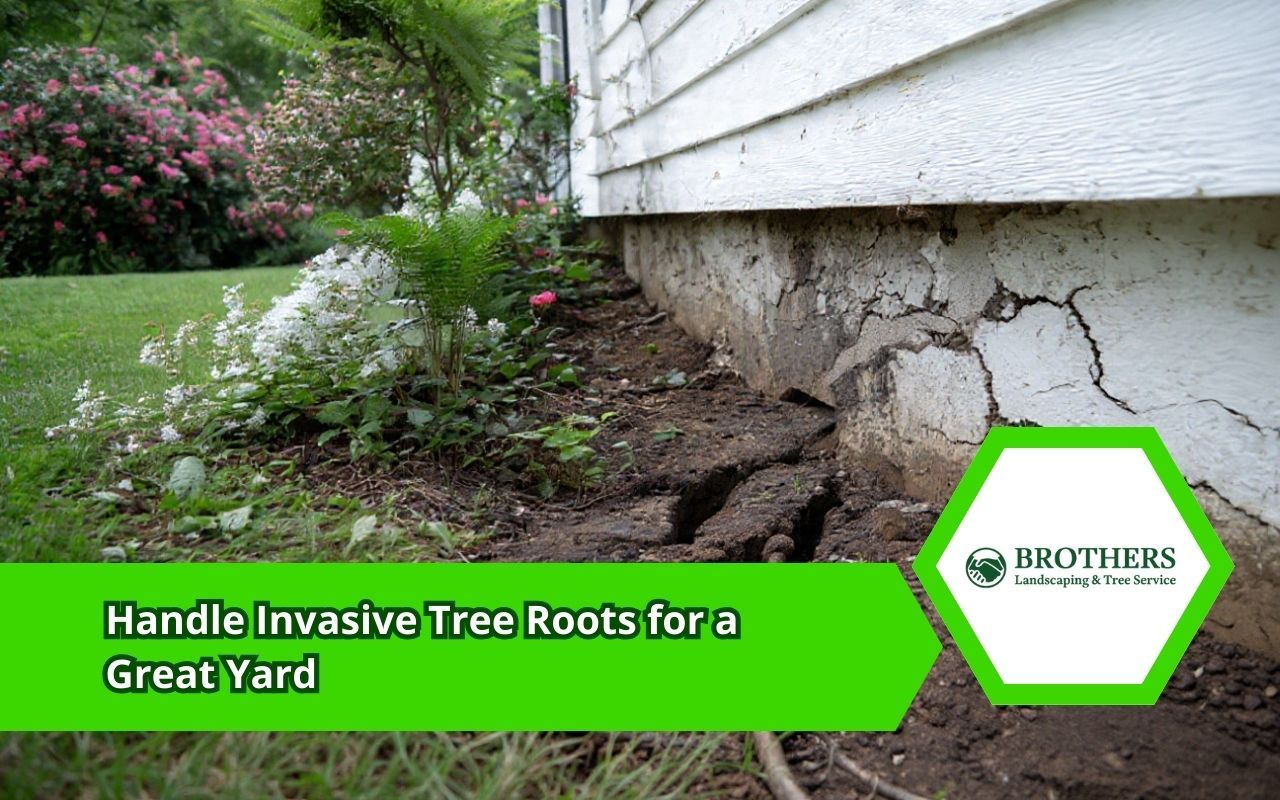
Invasive Tree Roots can hide under a beautiful lawn and still cause big trouble. They may undermine structures and trigger costly repairs. As you aim for a picture-ready yard, these risks can stay unnoticed. However, once roots push through soil, they can damage foundations, sidewalks, and underground utilities.
Therefore, the best way to protect your outdoor space is to act early. You can use smart planning, simple barriers, and steady upkeep. In addition, the right tree choice can prevent future issues. With the steps below, you can keep your landscape safe, clean, and easy to enjoy.
Understanding Invasive Tree Roots
Invasive Tree Roots grow differently than most root systems. Instead of staying close to the trunk, they often spread far for moisture and nutrients. In many yards, roots may reach two or three times the canopy width. As a result, it can be hard to predict their next path.
Soil and water also shape root movement. Loose soil lets roots travel faster, while compact clay may push them toward easier routes. Because of this, nearby paths, slabs, and pipes can become targets. Once you understand these patterns, you can plan better and reduce the dangers aggressive roots create.
Signs of Root Damage
Early clues can save money and stress. For example, you might see raised pavement, cracked concrete, or uneven soil near tree lines. These surface changes often point to strong growth below. When you spot them early, you can act before problems spread.
- Sidewalks, patios, or driveways that lift or split
- Soil mounds or heaved garden beds near trees
- Slow drains, repeat clogs, or wet spots in the yard
- Foundation cracks or new basement moisture
If damage is getting worse, it may help to review when to consider tree removal for safety so you can choose the safest next step.
Selecting Tree Species for Root Control
Choosing the right tree can prevent many issues. Some trees, like Japanese maple and crabapple, often have tighter root zones. Because of that, they are less likely to run under sidewalks or slabs. Before planting, research mature root spread, not just mature height.
Also, match beauty with function. Smaller, slower growers usually pose less risk. In addition, trees that handle pruning well are easier to manage long term. When you start with a better fit, controlling root spread near homes becomes far simpler.
Smart Tree Placement
Distance is your best friend. A useful rule is to plant trees at least as far from a building as the tree’s mature height. This spacing lowers the chance of root pressure on patios, foundations, and driveways. Plus, it gives you room to maintain roots and limbs.
Avoid tight corners and narrow strips. Instead, use wider planting zones or group smaller trees in open areas. That way, roots have space to grow without forcing their way under hard surfaces.
Creating Physical Barriers for Root Containment
Invasive Tree Roots can be steered with strong barriers. Use high-density plastic or metal panels and set them deep enough to redirect growth. In most cases, 18 to 24 inches is a practical depth. Place barriers between the tree and the area you want to protect.
- Mark the protected zone near foundations, patios, or lines
- Dig a straight trench to the right depth
- Install the barrier with tight seams and firm backfill
- Inspect edges often and fix gaps quickly
For extra control, pair barriers with mulch or gravel strips. This discourages shallow rooting and supports healthier soil structure.
Root Pruning Practices
Root pruning can limit spread near high-risk areas. Invasive Tree Roots often respond well when cuts are clean and timed well. Use a sharp spade to trench around the boundary and cut only what crosses the line. Whenever possible, do this during the dormant season to reduce stress.
After cutting, refill with well-draining soil and water deeply. Then, watch the tree during the next growing season. If you see decline, reduce future cuts and get expert help.
Chemical Methods for Root Management
Chemical tools can work, yet they require care. Some root-targeting herbicides can stop small sections of unwanted roots. To limit impact, treat only the problem area and follow the label exactly. Wear protective gear and keep people and pets away until the product is fully absorbed.
After treatment, monitor decay and remove dead root parts once they loosen. Although chemicals can help, they work best when combined with barriers and good site planning.
Sustainable Root Control Alternatives
Organic options can also help manage root pressure. For instance, cover crops can compete for water and nutrients in key zones. Over time, they improve soil and reduce aggressive spread. Likewise, healthy soil supports healthier, more balanced root growth.
Another option is adding beneficial fungi near the base of the tree. These helpers can improve nutrient uptake and guide roots toward better soil zones. As a result, you may rely less on harsh treatments.
Maintenance Tips for Long-Term Control
Regular checks keep problems small. Walk your yard at least twice a year and look for new lifting, cracking, or drainage changes. Also, water and mulch correctly. Healthy trees often search less for moisture, which can reduce sideways growth near hard surfaces.
- Inspect pavement edges and garden beds every season
- Watch drains for slow flow or repeat clogs
- Re-check barrier lines and seal new gaps
- Keep a simple log of pruning and inspections
If you suspect major repair risk, you can use this tree removal cost estimate guide to understand the planning side before making decisions.
Frequently Asked Questions
How far can roots spread from a tree?
Roots may extend well beyond the canopy, often two to three times wider. Soil and water conditions can increase that range.
What are the most common risks near a home?
Common risks include lifted sidewalks, pipe intrusion, and pressure near foundations. Early inspection helps you avoid bigger repairs.
How can I control root spread near homes without harming the tree?
Use smart placement, physical barriers, and light root pruning. Also, keep watering consistent to reduce the search for moisture.
Are root barriers a permanent fix?
They can be long lasting, yet they still need inspections. Over time, gaps or shifting soil can create weak spots.
When should I call a professional?
If you see foundation cracks, repeated plumbing clogs, or fast pavement lifting, get help quickly. A pro can evaluate risk and safe options.
Achieving a Beautiful and Root-Free Landscape
Invasive Tree Roots do not have to ruin your yard. With smarter planting, careful spacing, and steady maintenance, you can reduce damage risk. Moreover, mixing barriers, pruning, and healthy soil habits can keep growth under control. If you want a tailored plan for your property, you can contact Brother Tree Service for guidance.