
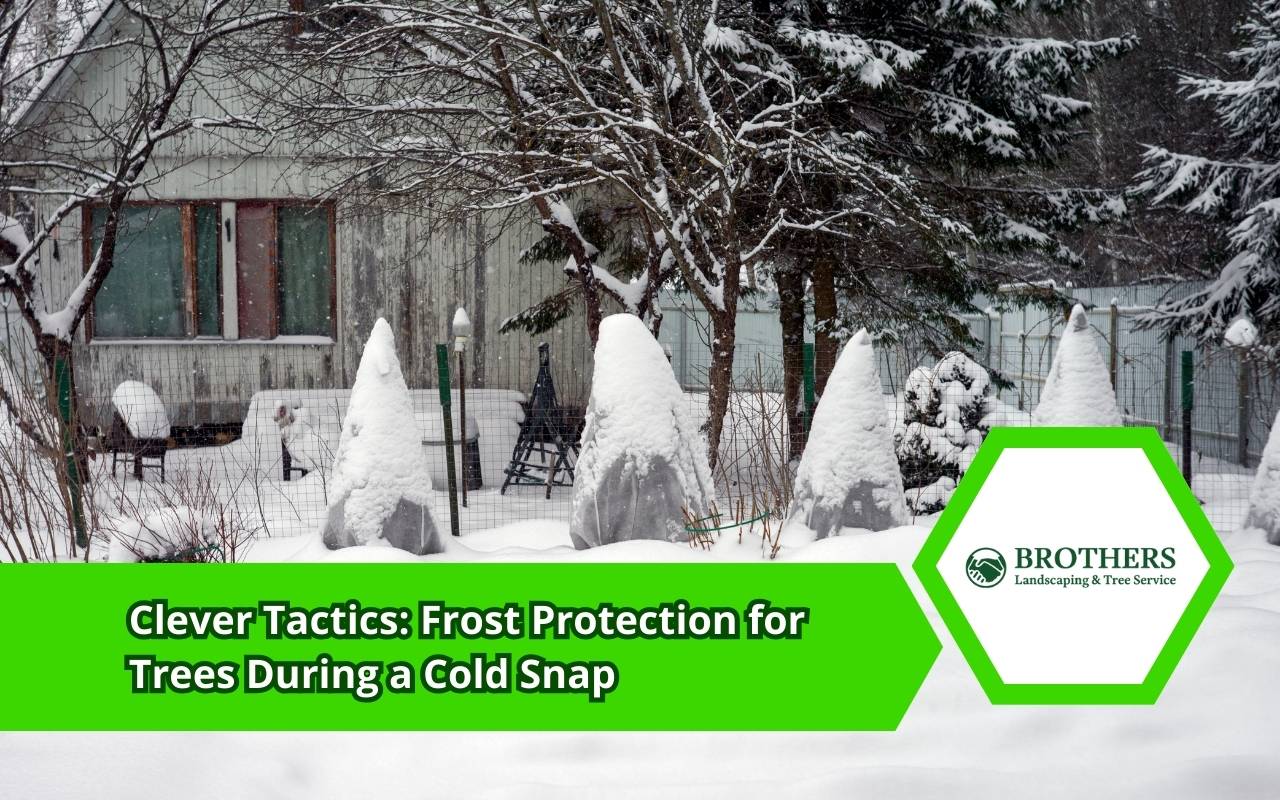
Frost protection for trees helps your winter garden stay safe during sudden cold weather. A freezing night can damage bark, buds, and roots, so learning simple steps keeps your trees healthy. This guide shows how frost cloths, insulation, watering tips, and smart location selection protect your landscape all season long.
With these ideas, you gain clear ways to guard young and mature trees. And when you live in colder places like Belfair, working with a trusted tree service Belfair WA team adds extra support for long-term care.
Understanding Frost Damage Risks to Trees
Frost protection for trees starts with knowing how cold harms tissue. When temperatures drop below freezing, water in cells becomes ice and can tear delicate parts. Young bark, buds, and fresh foliage freeze first, so quick action makes a difference.
Cold air collects in low areas, raising frost risk. Microclimates near walls, slopes, or open fields also change how trees react. Adding frost cloths or insulation at the right moment prevents early-season problems. You can also explore winter guidance through this helpful page on frost protection for trees.
- Cold air sinks into low places
- Young bark freezes faster
- Microclimates shift tree safety
Selecting the Right Trees for Cold Weather Resilience
Choosing hardy species creates natural frost protection for trees and reduces long-term worry. Native varieties adapt better to cold snaps, while evergreen conifers stay active and resist damage.
Look at hardiness zone maps before buying a new tree. Mixing evergreens and sturdy deciduous trees forms a shield around young specimens. You can review region-specific ideas through this guide on tree service in Mason County.
Importance of Proper Watering Techniques in Winter
Healthy hydration supports strong frost protection for trees. Moist soil holds warmth longer than dry ground, which helps roots stay steady overnight. Morning watering gives time for absorption before colder hours.
Avoid shallow watering, as it creates weak surface roots. Deep, slow soaking works better for winter. These watering tips help prevent cell freezing and support stronger roots.
- Water early in the day
- Use deep soaking methods
- Avoid soggy soil near trunks
Utilizing Frost Cloths and Blankets for Protection
Frost cloths trap warm air that rises from the soil at night and protect branches from ice crystals. Choose breathable fabric that stays gentle on bark and buds.
Drape cloths loosely and secure the edges to block cold drafts. Remove them in the morning when temperatures rise. This simple insulation step boosts frost protection for trees during cold snaps.
Strategic Tree Location Planning for Frost Prevention
Clever location selection reduces cold stress and creates natural frost protection for trees. South-facing walls reflect heat, and raised areas stay warmer at night than low basins.
Windbreaks made from shrubs or fences slow harsh gusts. Planting in thoughtful spots saves time later and lowers the need for extra tools or coverings.
- Use south-facing walls
- Avoid low spots
- Add shrubs as windbreaks
Pruning Practices for Enhancing Frost Resistance
Pruning at the right moment supports frost protection for trees by removing weak limbs that could break in cold weather. Late winter pruning encourages clean healing before new growth.
Avoid heavy autumn pruning, since fresh cuts stay open longer. Light thinning improves airflow and keeps branches safe from ice buildup.
Guidance from Tree Service Professionals in Frost-Prone Areas
Working with experts improves frost protection for trees, especially in colder locations. Arborists understand local soil, weather, and species needs.
Residents near Belfair can rely on trusted teams for inspections, pruning suggestions, and winter care advice. For deeper seasonal help, visit this useful page on seasonal tree care.
Implementing Mulching Techniques for Insulation
Mulch adds insulation that boosts frost protection for trees. A layer of wood chips or straw holds warmth and shields roots on icy nights.
Spread mulch in a wide ring but keep it away from the trunk to prevent rot. This easy step supports moisture control and root strength through winter.
Monitoring Tree Health and Reacting to Early Warning Signs
Watching your trees often helps you react quickly and keep frost protection for trees effective. Look for darkened buds, dry soil, or cracked bark.
Record changes in a simple journal so you can spot patterns. Adding insulation or adjusting watering tips early prevents long-term stress. Learn more tree wellness ideas through tree health benefits for year-round care.
Frequently Asked Questions
1. When should I use frost cloths?
Use them on nights when frost warnings appear or when temperatures drop to freezing.
2. Do trees freeze faster in open areas?
Yes, wide open spaces lose heat faster, increasing cold stress.
3. Are watering tips helpful in winter?
Yes, deep watering supports roots and reduces freezing inside cells.
4. Does pruning help with frost?
Light pruning shapes the tree and removes limbs that freeze easily.
5. Should I add insulation around young trees?
Yes, mulch and cloth wraps help protect tender roots and bark.
Ensuring Tree Survival Through Winter
Strong frost protection for trees combines frost cloths, careful watering tips, insulation, and thoughtful location selection. Choosing hardy species and using expert help from a tree service Belfair WA team adds even more safety.
When you stay alert and act early, your trees remain healthy through winter. These simple habits keep your landscape steady and ready for spring growth. For tailored support, reach out through the contact page.