
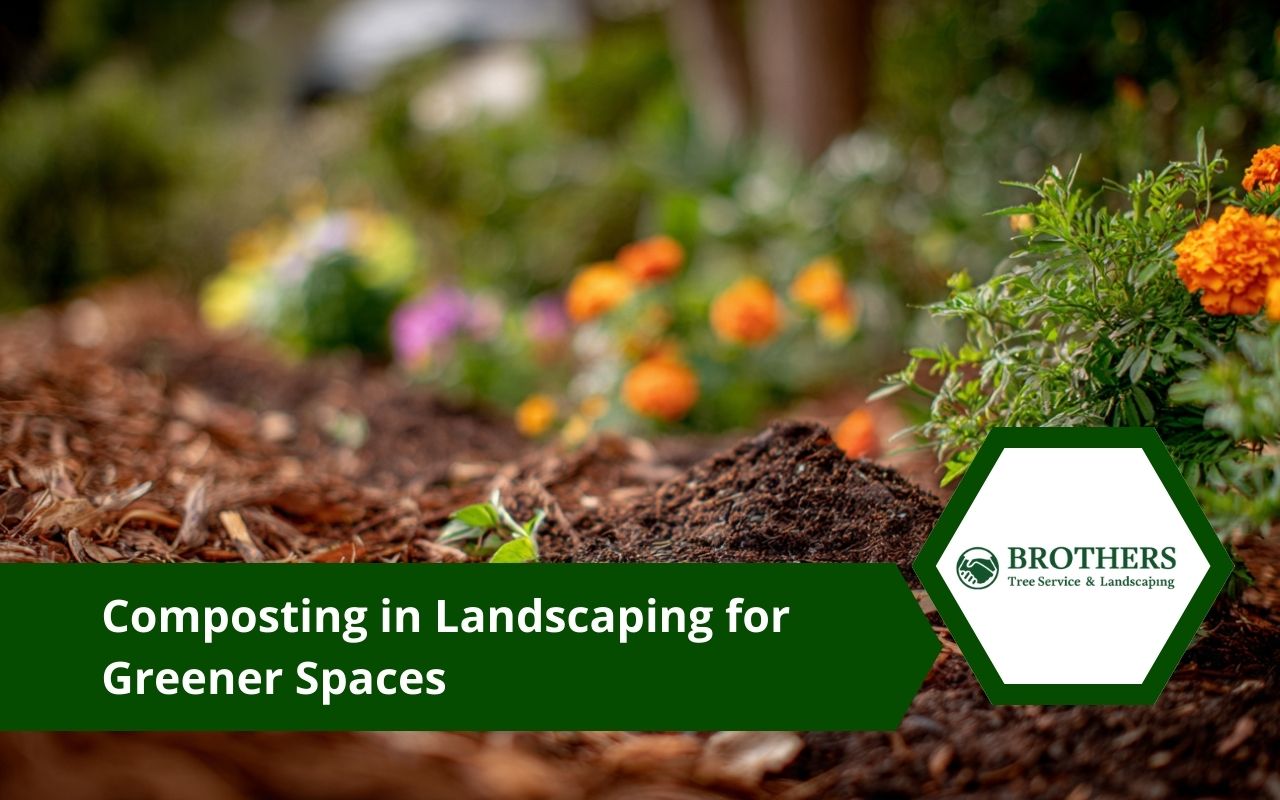
Step into landscaping, and you’ll see a rise in earth-friendly habits. One strong example is Composting in Landscaping. It improves outdoor spaces while also helping the planet. Unlike many standard products, compost is natural and supports better soil and lively plants.
By using broken-down organic matter, you turn yard waste into a helpful resource. As a result, you get long-lasting results instead of quick fixes. Over time, the choice in compost vs fertilizer feels simple, because compost supports healthier gardens and a greener future.
The Basics of Composting in Landscaping
Composting in Landscaping starts when organic waste turns into dark, rich humus. For example, you can add garden clippings, kitchen scraps, leaves, and coffee grounds. Then, tiny living helpers break them down into a nutrient-packed soil boost.
To keep things moving, balance “greens” and “browns.” Also, add air and the right moisture. If the pile gets too wet, it can smell. If it is too dry, it slows down.
- Add greens like fresh clippings and veggie scraps.
- Add browns like dry leaves and shredded paper.
- Keep moisture like a wrung-out sponge.
- Turn the pile to bring in air.
Heat also matters. When the pile gets warm, it can reduce weed seeds and harmful germs. Therefore, turning it every week or two helps spread air and warmth.
Benefits of Composting for Soil Enrichment
Composting in Landscaping supports strong soil enrichment benefits that quick chemical products often miss. When you spread finished compost, it improves soil structure. Clay becomes looser, and sandy soil holds water better. As a result, roots grow deeper and plants handle stress better.
Compost also supports helpful microbes and earthworms. In turn, the soil gets more air spaces and better nutrient flow. Over time, your landscape becomes more steady during drought, heat, and disease.
- Improves soil texture and air flow.
- Helps soil hold water longer.
- Supports worms and helpful microbes.
- Builds steady plant strength over time.
Compost vs Fertilizer: What’s the Difference?
In a compost vs fertilizer choice, the timing is a big difference. Fertilizers can give a fast boost. However, they can also lead to runoff or uneven nutrients. Compost, on the other hand, feeds plants slowly and steadily.
Because nutrients release over time, compost lowers the risk of burning young roots. Additionally, it helps reduce excess runoff into waterways. Therefore, Composting in Landscaping is often the steadier option for long-term health.
- Compost feeds slowly and supports soil life.
- Fertilizer feeds fast but may wash away.
- Compost improves structure, not just nutrients.
- Fertilizer can cause imbalance if overused.
Types of Composting Methods for Landscaping
You can choose a method that fits your time and space. Hot composting needs more effort, yet it can finish in weeks. Cold composting is easier, but it may take a year. Vermicomposting uses worms and works well for small spaces.
Outdoor bins, tumblers, and open piles each have tradeoffs. Tumblers turn easily, but hold less. Open piles take more waste, yet need manual turning. Bins help control smell, though they can limit air flow.
Incorporating Compost into Your Garden Design
To blend compost into your plan, start with new beds. Mix compost into the top layer before planting. That way, young roots meet better soil right away. Also, a thin compost layer around trees can help hold moisture and slow weeds.
Raised beds can include both topsoil and compost for quick gains. In addition, top-dressing in early spring or late fall can refresh nutrients and improve drainage. As a result, Composting in Landscaping becomes part of your normal routine.
For more earth-friendly upgrades, explore sustainable landscaping ideas that pair well with compost-based care.
Frequently Asked Questions
How often should I add compost to planting beds?
In general, top-dress once or twice a year. For example, use early spring and late fall for steady results.
Can compost replace fertilizer completely?
Often, yes. However, some plants may still need extra help. Even so, compost is a strong base.
What materials should I avoid in a compost pile?
Avoid meat, dairy, and oily foods. Also, skip pet waste. These can attract pests and add risk.
Why does my pile smell bad?
Usually it is too wet or lacks air. Therefore, turn it and add dry browns like leaves or paper.
Is compost tea safe for most plants?
Yes, when made with finished compost. Also, strain it well and apply during the growing season.
Best Practices for Composting Success in Landscaping
Check your pile often to keep it active and smell-free. Turn it every week or two for fresh air. Also, keep moisture balanced. If pieces are large, chop them so they break down faster.
In colder months, cover the pile to hold warmth. In warmer months, keep it from drying out. Finished compost should look crumbly and smell earthy. Then, store it dry until you need it.
If you want more ways to keep your yard improving all year, see these yard improvement tips and match them with compost-based care.
Embracing Sustainable Landscaping Practices
Composting in Landscaping is a simple step toward greener outdoor spaces. By turning organic waste into a soil booster, you support healthier growth and reduce reliance on synthetic inputs. As a result, you can build strong soil enrichment benefits while keeping your landscape thriving.
To align compost use with the seasons, follow seasonal yard tips and apply compost when plants need it most. When you’re ready for expert help, contact Brothers Tree Service & Landscaping through the contact page.