
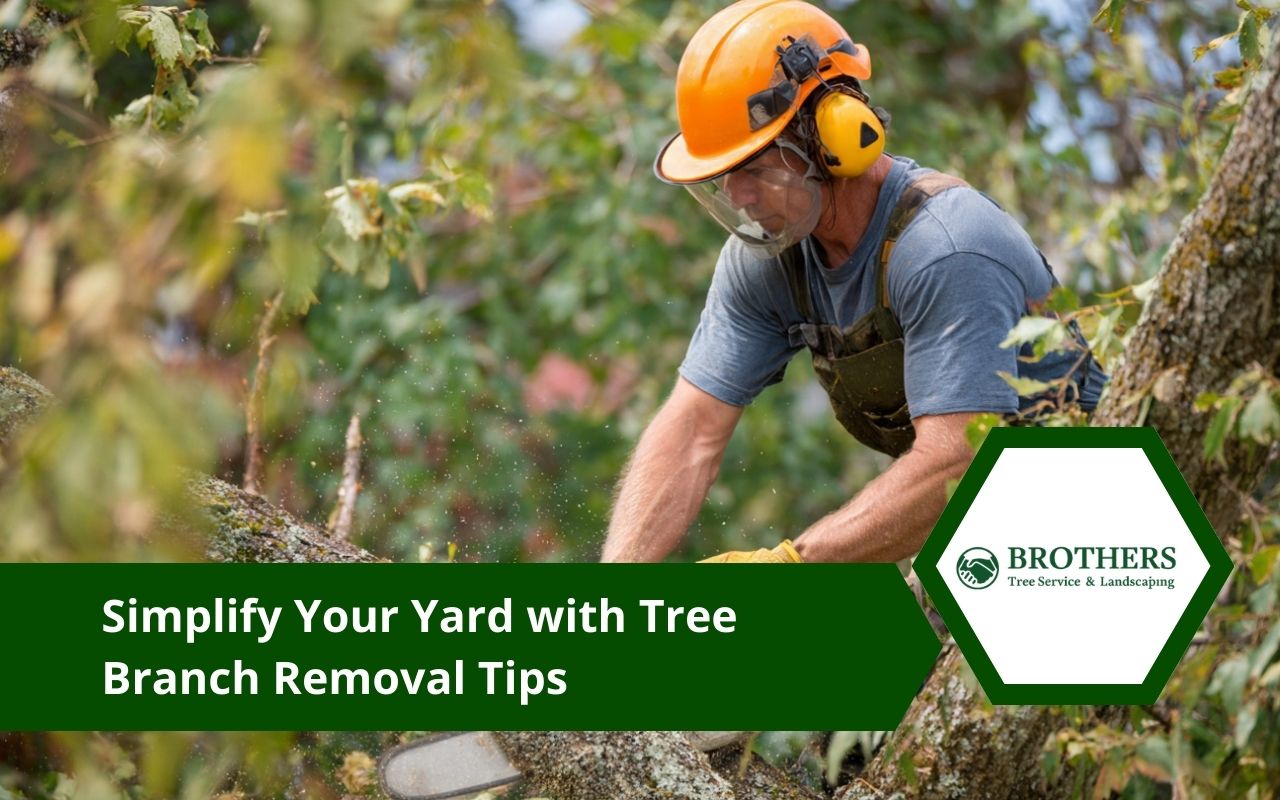
Transforming your yard into a calm and tidy space can feel like a constant battle. Branches can seem to grow overnight and cast unwanted shade. However, these tree branch removal tips help you stay in control without added stress.
With simple steps, cutting big limbs feels more doable. You can also avoid bark tearing, which hurts both looks and tree health. In this guide, Brothers Tree service & Landscaping shares practical advice so you can cut with care and keep your yard welcoming.
Understanding the Importance of Tree Branch Maintenance
Neat branches do more than look nice. Healthy trees need regular care to stay strong. When you use tree branch removal tips, you lower the risk of disease and insects. These problems often start in weak or broken limbs.
Also, removing dead wood helps the tree use energy for new growth. That can improve flowers or fruit in season. If you want a safer yard, Brothers Tree service & Landscaping suggests trimming risky limbs before they become hazards.
- Reduce falling-branch risks near people and pets
- Limit contact with roofs and power lines
- Improve sunlight and airflow under the canopy
Essential Tools for Safe and Effective Branch Removal
Having the right tools makes the job easier and safer. Pruning shears handle small growth. Loppers help you reach higher areas. For thick wood, a pruning saw gives cleaner cuts and helps you avoid bark tearing.
Also, keep tools sharp and clean. Dull blades crush fibers and slow healing. For best results, Brothers Tree service & Landscaping recommends cleaning blades between cuts to reduce spread of pests.
- Pruning shears for thin stems
- Loppers for medium limbs
- Pruning saw for thicker wood
- Gloves, eye protection, and sturdy shoes
- Stable ladder or pole saw for higher areas
Assessing Branch Health: When to Trim and When to Leave
Before cutting, check the branch closely. Look for cracks, brittle wood, or odd leaf color. Remove damaged limbs first since they can fall. Also, weak joints where branches rub can open wounds for pests.
Meanwhile, keep limbs that support the tree’s shape and show healthy buds. Avoid removing more than a quarter of the canopy at once. Brothers Tree service & Landscaping often reminds homeowners that slow, steady pruning keeps trees stable.
Step-by-Step Guide to Proper Branch Pruning
Use a simple, repeatable process for clean cuts. First, mark where the cut should go. For bigger limbs, use the three-cut method. This approach reduces stripping and helps tree wounds stay smaller.
Also, stand in a steady position and keep tools under control. Clear the area below first. Then, make the final cut just outside the branch collar. As a result, water sheds better and healing can start faster.
Dealing with Large Branches Safely
Big limbs need extra planning. When thinking about how to cut large branches, check the landing area first. Remove obstacles, and use a rope if you need control. Also, wear head and eye protection.
Then, use the three-step method: an undercut, a top cut farther out, and a final cut near the collar. This reduces damage and helps you avoid bark tearing. If the job feels risky, Brothers Tree service & Landscaping can help with safer removal.
- Plan a clear drop zone
- Use ropes when control is needed
- Cut in three steps to protect the trunk
- Stop if the limb is too heavy or too high
Tips for Preventing Bark Damage
Bark damage can invite pests and disease. Therefore, make slow and controlled cuts with sharp blades. Start slightly away from the collar, then finish close enough to protect the healing zone.
Also, support heavy limbs during cutting when possible. This reduces splitting and keeps the bark intact. Since local conditions vary, Brothers Tree service & Landscaping can guide you on what works best for your trees.
Proper Disposal of Trimmed Branches
After trimming, keep your yard clean with smart disposal. Small limbs can be chipped into mulch. Mulch helps plants retain moisture and reduces weeds. If you do not have a chipper, renting one can be a good option.
For larger pieces, cut them into firewood-size sections and store them dry. Also, check local rules before burning or dumping. Thoughtful cleanup keeps your space neat and reduces waste.
Consulting with Professionals: When to Seek Expert Help
Some situations need a trained crew. If limbs touch power lines, sit very high, or require complex rope work, call a pro. Professionals have training and insurance to reduce risk.
If you see deep cracks, heavy decay, or signs of disease, expert help matters even more. For support, reach out to Brothers Tree service & Landscaping using their contact page.
Frequently Asked Questions
How often should I prune my trees?
It depends on the tree type and growth rate. However, many trees benefit from yearly checks and light trimming.
What is the safest way to avoid bark tearing?
Use sharp tools and the three-cut method. Also, support heavy limbs so they do not rip as they fall.
Can I remove large limbs by myself?
Sometimes, yes. However, if the limb is high, heavy, or near wires, it is safer to hire professionals.
What should I do with the branches after cutting?
You can chip small limbs into mulch or bundle them for green waste pickup. Larger pieces can be saved as firewood.
Where can I learn more about trimming methods?
You can explore Brothers Tree service & Landscaping guides like How to Trim Trees and Professional Trimming Tips.
Building a Simple Tree Care Routine
A routine makes tree care easier over time. Late winter or early spring works well for many trees. Since trees are less active then, cuts can heal faster. Keep a simple checklist to stay consistent.
Also, combine trimming checks with other yard tasks. For more context on why steady care helps, read Benefits of Tree Trimming. Then, use these tree branch removal tips again as you review your yard each season.
- Inspect limbs each season
- Sharpen and clean tools before use
- Remove debris right after cutting
- Track dates and problem areas in a yard note
Enjoying a Pristine and Well-Trimmed Yard
When you apply tree branch removal tips, you create a safer and more attractive yard. You also gain confidence with each session. In addition, knowing how to cut large branches helps you plan better cuts and protect your space.
Most importantly, using careful cuts helps you avoid bark tearing and supports long-term tree health. If you want help with tough jobs, Brothers Tree service & Landscaping is ready to support your next trimming project.