
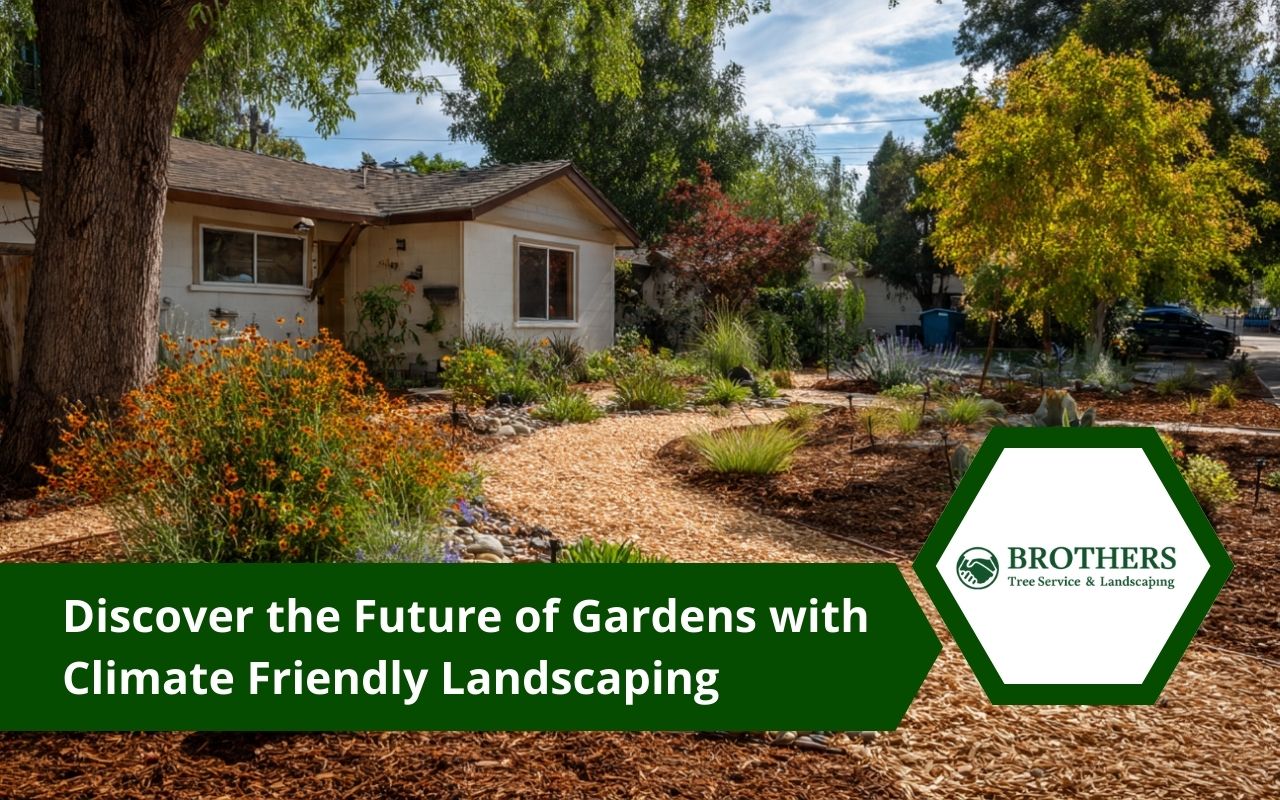
Step into the future of gardening, where each leaf and flower helps fight climate change. Climate Smart Landscaping is not just a trend; it is a key move toward gardens that handle a changing world.
Because weather can shift fast, gardens must adapt. You can save water, support helpful wildlife, and still enjoy a yard that stays healthy for years.
Selecting Tough Plants That Fit Your Area
Choosing the right plants is the base of Climate Smart Landscaping. Native and well-adapted plants handle local weather swings better. As a result, they often need less extra water and fewer added nutrients.
Also, pick plants that handle heat, sudden cold, and heavy rain. This supports resilient landscape planning while lowering upkeep. For example, choose drought-ready shrubs, perennials, and groundcovers that grow well with less work.
- Choose native plants that match local seasons.
- Mix blooms across seasons to support pollinators.
- Group plants by similar water needs.
Designing Waterwise Yards That Still Look Great
Smart design supports Climate Smart Landscaping in a simple way. First, map sunny and shady zones. Then, place sun-loving, waterwise plants where they fit best.
Raised beds and gentle mounds can improve drainage, so roots breathe better. Meanwhile, mulch and groundcovers reduce water loss and help block weeds.
- Use organic mulch to keep soil cool and moist.
- Add groundcovers to shade bare soil.
- Plan paths to protect planting areas.
Using Smarter Water Systems
Drip systems bring water right to roots, so less is lost to wind and runoff. In addition, you can set zones for each area, which supports low impact gardening with less waste.
Timers and moisture sensors can pause watering during rain. Also, rain barrels can capture roof runoff for later use, which helps during dry weeks.
- Install drip lines for root-level watering.
- Add a timer to keep schedules steady.
- Collect rainwater for simple reuse.
Creating Spaces That Welcome Helpful Wildlife
Wildlife adds energy to a yard, so plan for birds, bees, and other helpers. Plant native shrubs and flowers with staggered bloom times. As a result, food stays available through more months.
Add simple features like birdbaths or small log piles for shelter. Instead of harsh sprays, use natural methods to reduce pests and protect pollinators.
Adding Surfaces That Let Water Soak In
Hard surfaces can push water away fast. However, permeable options help rain soak into soil, which lowers runoff. This also supports resilient landscape planning in wet seasons.
Gravel, porous pavers, and reinforced turf are solid choices. You can also build a rain garden in low spots, which can filter stormwater naturally.
Using Clean Power in Garden Features
Solar lights and small water features add comfort without pulling from the grid. For instance, solar path lights charge all day and glow at night. Likewise, solar pumps can keep water moving and reduce stagnation.
For bigger setups, solar panels on a shed can power tools or small heaters. Together, these steps align well with low impact gardening goals.
Building Healthier Soil for Stronger Plants
Healthy soil helps plants handle stress better. So, add compost, aged manure, or leaf mold to improve structure and water holding. Over time, this supports Climate Smart Landscaping by strengthening roots.
In vegetable beds, rotate crops and use cover plants in the off-season. Also, test soil acidity now and then, so you can correct it when needed.
Simple Care Habits That Keep Yards Strong
Regular checks help you fix small issues early. For example, prune dead branches, clear debris, and refresh mulch yearly. As a result, plants stay healthier and soil holds moisture better.
Adjust watering by season, and keep tools clean to reduce disease spread. If you track tasks in a simple journal, you can refine resilient landscape planning over time.
Learning More and Sharing Better Yard Choices
Sharing what works can help others change, too. For example, you can show neighbors a rain barrel setup or drip lines. Also, local clubs can be a useful place to swap ideas and tips.
If you want more local guidance, explore Belfair landscaping tips for climate-aware choices that fit nearby conditions.
Frequently Asked Questions
What is Climate Smart Landscaping?
It is a way to design and care for yards that handle changing weather while using fewer resources.
How does resilient landscape planning help in extreme weather?
It supports plant choices, drainage, and layouts that recover faster after heat, storms, or cold snaps.
What are easy low impact gardening steps to start with?
Start with mulch, drip watering, and native plants. Then, reduce chemicals and improve soil with compost.
Do permeable surfaces really reduce runoff?
Yes. They let water soak in, which can lower puddles and reduce flow into drains during heavy rain.
Where can I find sustainable design ideas for my yard?
You can review sustainable landscaping ideas and compare options that fit your space.
Wrap Up: A Greener Yard That Lasts
Climate Smart Landscaping helps you build a yard that works with nature. By choosing tougher plants, using water wisely, and improving soil, you create a space that stays attractive and steady.
For plant inspiration that fits local ecosystems, see native landscaping designs. When you are ready to talk with Brothers Tree Service & Landscaping, reach out through the contact page.