
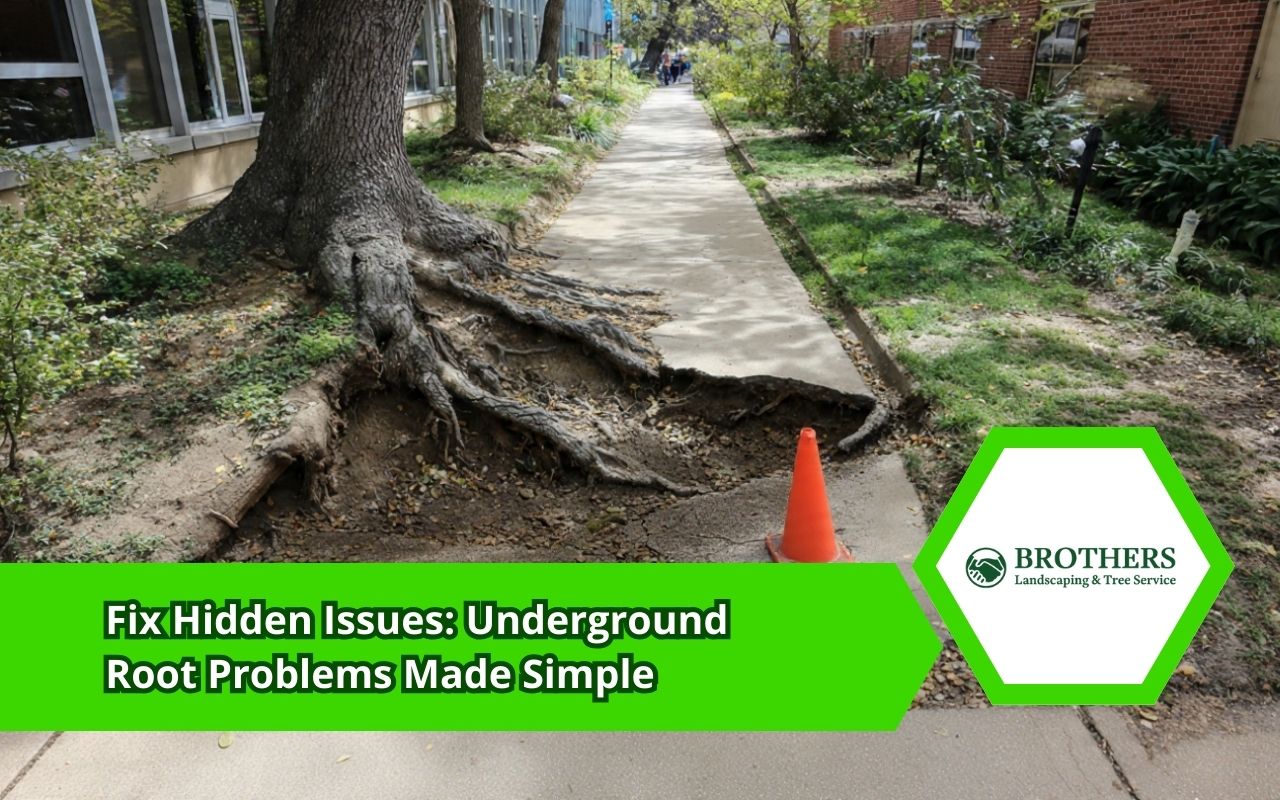
Underground Root Problems can feel invisible, yet they can cause real damage fast. However, you can spot early clues and act sooner. Roots may slip into sewer lines and create clogs. Therefore, learning the signs can protect your home and lower stress.
Imagine a calm night, then water backs up in a basement or yard. This often links to roots below the surface. Moreover, these issues can harm your plumbing over time. So, the tips below help you respond before a small warning becomes a big repair.
Signs of Underground Root Problems
Early signs are often small, but they matter. When roots enter a sewer line, water may drain slowly. You might also hear gurgling as air moves around the blockage. In addition, wet patches can appear even when the weather is dry.
- Slow drains in sinks, tubs, or outdoor cleanouts
- Gurgling sounds after flushing or draining
- Muddy spots, standing water, or soft soil in the yard
- Small dips in the lawn or sudden sinkhole-like dents
- Unusually green grass in one narrow area
Impact of Roots on Sewer Lines
Roots search for moisture and nutrients. When they find a tiny crack or weak joint, they can push inside. Over time, they grow thicker and reduce flow. As a result, backups become more likely. In worst cases, pipes can break and sections may need replacement.
Damage is often gradual, not sudden. Small leaks can weaken pipe walls and wash soil away. Consequently, the ground may shift and stress the line more. Understanding this risk helps you plan checks before problems grow out of sight.
Common Areas Affected by Underground Roots
Problems often start where pipes run near trees or shrubs. The sewer lateral line is a common target. Older materials, like clay or cast iron, can also invite root entry. Additionally, areas with frequent watering can draw roots closer to plumbing lines.
- Pipes under mature trees and dense shrubs
- Joints between pipe sections and older seals
- Lines near garden beds that stay moist
- Septic and drain field zones planted too closely
Detecting Root Issues Early
Simple habits can reveal changes quickly. Watch how fast sinks and tubs drain. Also, scan the yard for wet soil or bright patches of grass. If patterns repeat, take notes. Then, you can share clear details with a plumber or tree professional.
A camera inspection can show what is happening inside the pipe. It finds root entry points without digging. Therefore, it helps you target the real cause. When you combine visual checks with periodic inspections, you reduce surprises and protect the system.
Prevention Methods for Underground Roots
Prevention works best when landscaping and plumbing planning match. Root barriers can guide roots away from sewer lines. Also, planting the right species at safer distances lowers risk. If you maintain trees well, you can often slow aggressive root growth near pipes.
- Install root guards or barriers near vulnerable lines
- Plant trees away from sewer routes when possible
- Trim growth that trends toward high-risk zones
- Use smarter pruning plans to support healthier trees
If you want safer trimming practices, review tree pruning techniques for healthier growth. That approach can help you manage growth without harming the tree.
DIY Solutions for Root Problems
DIY steps can help with minor invasions. Enzymatic cleaners may reduce small organic buildup and slow new growth. A drain snake can also cut through light root strands. However, use care, since harsh force can damage older pipes. If symptoms return, plan a deeper check.
- Use enzyme-based treatments for light buildup
- Snake the line carefully to clear small clogs
- Track how often the issue returns over time
Professional Assistance for Severe Cases
When roots fill the line, professional tools are safer and stronger. Hydro-jetting can break up dense tangles and flush debris. In some cases, trenchless lining can rebuild the pipe from inside. That option avoids major digging, so yards often stay intact.
If you suspect Underground Root Problems are beyond DIY help, a camera inspection is a smart next step. You can contact Brother Tree Service for an on-site assessment and share the signs you have noticed.
Cost Considerations for Root Issue Resolution
Costs vary because the cause, pipe type, and access all matter. DIY options can be cheaper upfront, yet they may not last. Professional cleaning and inspection can be more thorough. Meanwhile, repair methods depend on damage length and location. In general, early action reduces the chance of larger repairs.
Also, landscaping recovery can affect the total cost. Less digging often means fewer yard disruptions. Therefore, choosing the right fix can save time and restore normal flow sooner.
Maintaining a Root-Free Plumbing System
Maintenance lowers risk, especially near mature trees. Schedule periodic inspections if you have older pipes. Also, avoid overwatering near sewer routes. Mulch can help hold surface moisture, so plants seek less water below. Consistent routines keep small issues from turning into emergencies.
For seasonal planning, use this seasonal tree inspection checklist for homeowners. It helps you watch tree health while staying mindful of nearby lines.
Frequently Asked Questions
What is the fastest warning sign of root trouble?
Slow drains and repeating clogs are common early hints. Also, gurgling sounds can suggest partial blockage. If symptoms repeat, consider a camera inspection.
Can roots enter newer pipes?
Yes, although it is less common. Roots may still exploit weak joints or small shifts. Therefore, good installation and routine checks still matter.
Does a greener patch of grass always mean a sewer leak?
Not always, yet it can be a clue. Nutrient-rich moisture from a leak may boost growth. However, confirm with inspection before assuming.
How often should I inspect if I have large trees?
If trees sit near the sewer route, periodic checks help. The right schedule depends on pipe age and past issues. A pro can suggest a practical routine.
Do root barriers guarantee full protection?
No solution is perfect, but barriers reduce risk. They work best with smart planting and regular maintenance. Together, these steps limit future intrusion.
Ensuring Long-Term Home Safety
Underground Root Problems are easier to manage when you act early. Watch for slow drains, yard wet spots, and odd lawn changes. Then, use prevention, smart landscaping, and timely inspections. If needed, call for professional help before damage spreads. With consistent care, Underground Root Problems become far less disruptive.