
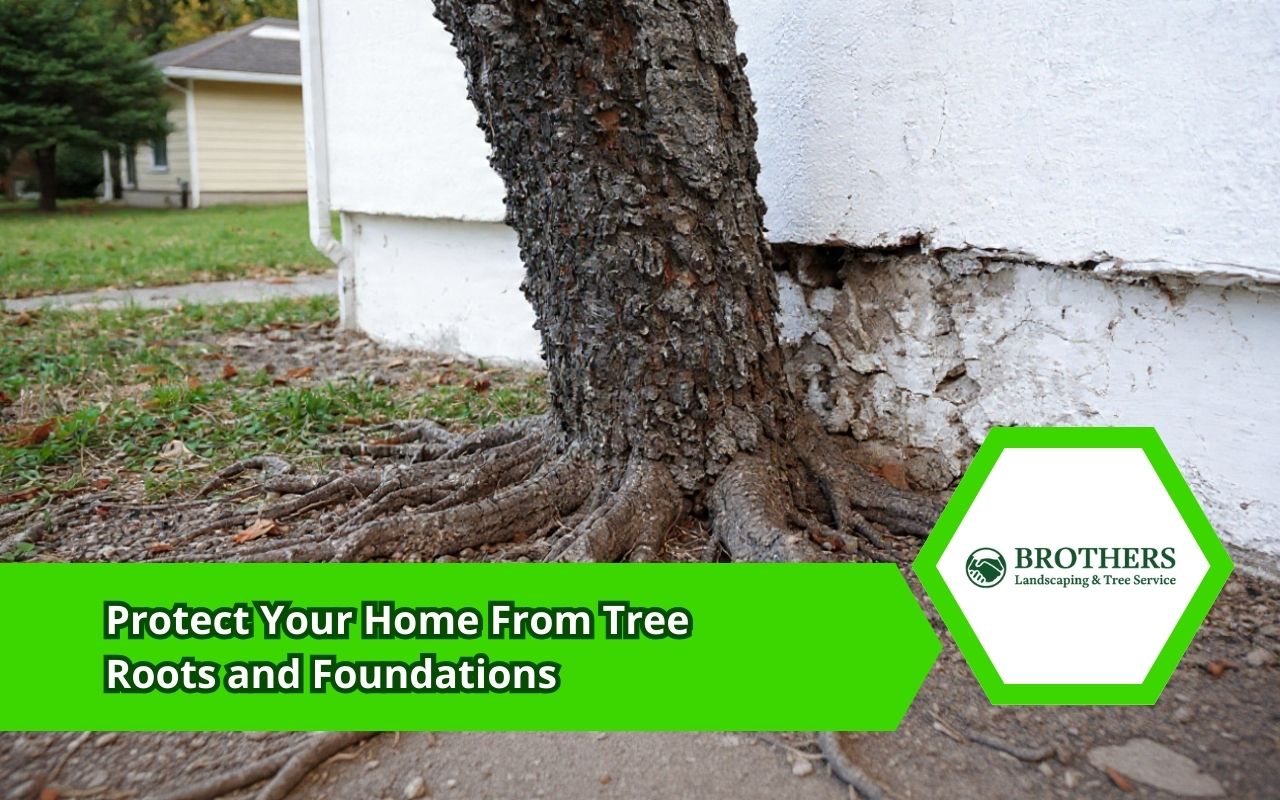
As you walk around your garden and admire fresh blooms, you may wonder what lies below. Tree Roots and Foundations can face a quiet struggle, because roots search for water and nutrients. While trees add beauty and eco benefits, roots can become uninvited guests near your home. So, knowing how tree roots affect concrete can help you avoid costly issues.
Homeowners might be surprised that early Signs of root damage in basement areas can start as small cracks. However, a closer look may reveal uneven floors or doors that stop closing well. These small clues often mean you should act soon. In this post, you will learn how Tree Roots and Foundations interact and how to protect your home while living well with trees.
The Impact of Tree Roots on Foundations
Tree Roots and Foundations share a complex link under the ground. As roots grow, they search for moisture, so they may move toward the damp areas near a foundation. Over time, roots can press on concrete, which may cause shifting, cracking, or lifting. Therefore, understanding how tree roots affect concrete helps you reduce the risk of major repairs.
Roots vary by species, yet even small roots can create tiny fractures that worsen with time. Then, water can seep in and soil can move, which may lead to mildew or rot. Because early action matters, watch for changes and respond fast to protect your home.
Signs of Tree Root Damage to Your Home
Spotting trouble early can save you stress and money. One of the clearest Signs of root damage in basement spaces is cracking or bowing in basement walls. When roots press against a foundation, they can split concrete and let water enter. As a result, you may see damp spots, musty smells, or mold growth.
Also, you may notice uneven floors, sticking doors, or windows that do not open smoothly. Small gaps between walls and floors can appear too. In addition, soil heaving near the home can be an early clue that roots are pushing where they should not.
- Cracks in basement walls or floors
- Doors or windows that stick
- Uneven floors or new gaps indoors
- Wet areas, mold, or recurring damp smells
- Soil lifting along the home’s edge
How Tree Roots Grow and Spread
Tree Roots and Foundations can clash because roots often spread far beyond the canopy. Roots branch through soil in search of water and nutrients, and they tend to follow the easiest path. For instance, they may grow toward loose, moist soil or into gaps that already exist near concrete.
Roots often grow faster in damp soil. They can also track along underground pipes or drainage lines. Because of this, it helps to understand how tree roots affect concrete before you see damage on the surface.
- Roots often extend beyond the canopy line
- Moist soil encourages faster spread
- Roots follow cracks, gaps, and pipes
- Small roots can expand and widen weak points
Assessing the Risk Factors for Foundation Damage
Several factors shape your risk. First, tree type matters, because some species send out stronger or wider roots. Next, soil type matters too. Clay holds water and may encourage wider root growth, while sandy soil drains faster and can limit spread. Also, distance from the house is key, since trees planted too close can lead to intrusion sooner.
Age matters as well. A mature tree usually has a larger root area that can reach beyond its canopy. So, when you consider Tree Roots and Foundations together, you can better judge your home’s exposure and plan ahead.
Strategies for Preventing Tree Root Damage
Prevention starts with smart planning. When you landscape, place trees far enough from the home. A simple guide is to plant at least as far from the house as the tree’s mature height. In addition, root barriers can help redirect growth down and away. Also, steady moisture near the foundation can reduce how strongly roots hunt for water near walls.
If you need to prune roots, do it carefully, because harsh cuts can harm the tree and trigger more growth. For guidance on careful decisions around large trees, read how to safely remove large trees and learn what safe planning looks like.
- Plant trees at a safer distance
- Install root barriers to guide roots away
- Keep soil moisture steady near the foundation
- Use careful root pruning when needed
Tree Species to Avoid Near Foundations
Picking the right tree can reduce future risk. Avoid species known for aggressive roots, such as willows, poplars, and silver maples. These roots can crack concrete and enter pipes. Some fast-growing ornamentals can also cause issues, especially in moist soil near homes.
Instead, consider trees with more compact root habits, such as dogwood, Japanese maple, or crabapple. These options can still add shade and curb appeal, while lowering pressure on Tree Roots and Foundations over time.
Effective Solutions for Dealing with Tree Roots
If roots are already near your home, quick action helps. You may dig carefully to expose roots and trim them back. Still, consider the tree’s health and local rules before major cuts. In some cases, a root-safe control product may slow regrowth, yet it must be used with care to avoid harming nearby plants.
For bigger problems, install root barriers beside the foundation to block new intrusion. Also, repairs may include reinforced concrete where damage occurred. If you want an approach that protects soil health during tree work, explore tree removal with minimal soil disruption for ideas that reduce unnecessary yard damage.
Professional Help: When to Call in the Experts
Sometimes, expert support is the safest choice. If you see wide cracks, bowing walls, or constant moisture, contact a foundation specialist or structural engineer. They can assess movement and recommend repairs. Also, an arborist can judge tree health and suggest safe pruning or removal steps.
When you pair tree care with foundation insight, you protect both the home and the landscape. To understand the bigger value of ongoing professional care, review tree service benefits and see how routine support can prevent larger issues.
Maintenance Tips for Long-Term Foundation Protection
Long-term care keeps your home stable. Schedule yearly checks for cracks, dampness, or soil shifts. Then, keep gutters clean and ensure water flows away from the home. Also, use drip irrigation or soaker hoses to keep soil moisture steady, because sudden dry periods can draw roots toward the foundation.
Refresh root barriers as they age, and trim roots only when it is truly needed. With steady habits, Tree Roots and Foundations can coexist with fewer surprises.
- Inspect yearly for cracks and moisture
- Keep gutters clean and grade soil away
- Maintain steady soil moisture near the home
- Monitor trees planted close to the house
Frequently Asked Questions
How do I know if Tree Roots and Foundations are in conflict?
Look for new cracks, sticking doors, uneven floors, or soil lifting near the home. Also, watch for damp basement spots.
How tree roots affect concrete over time?
Roots can press into weak points, widen small cracks, and shift soil. Over time, that movement can cause larger splits.
What are the most common Signs of root damage in basement areas?
Cracks in basement walls or floors, water seepage, musty odors, and mold are common signs. Bowing walls can also appear.
Do root barriers always work?
They can help when installed correctly and at the right depth. However, they work best with good tree placement and monitoring.
When should I remove a tree near my foundation?
If damage is growing, the tree is too close, or roots keep returning after pruning, removal may be safer. Experts can guide you.
Safeguarding Your Home for a Secure Future
Protecting your home from roots takes awareness and steady care. When you understand Tree Roots and Foundations, you can spot early warning signs and act before damage grows. In addition, smart planting, root barriers, and routine checks can keep concrete stable and reduce moisture problems.
If you want help assessing your yard and planning the next steps, reach out through the Brother Tree Service contact page to discuss options that fit your home and trees.