
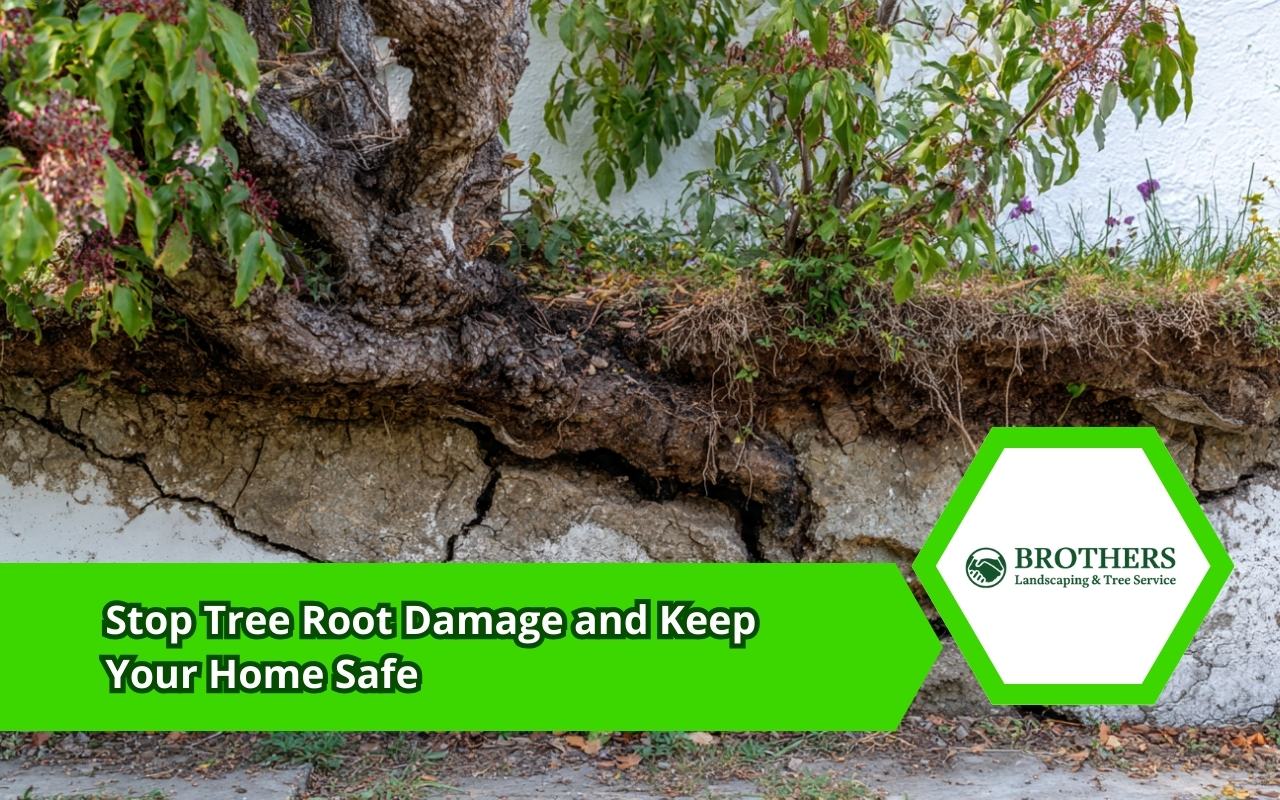
Tree Root Damage can threaten your home and yard from below. However, trees still bring shade, beauty, and wildlife. A small crack in your foundation or a bumpy path may be early clues. Therefore, learning the warning signs helps you act before repairs grow.
In addition, you can keep your landscape healthy with smart planting and routine checks. As a result, trees stay a feature, not a hidden risk. In this post, you’ll learn practical ways to reduce root trouble and protect your property.
Understanding Root Growth Below the Surface
Roots look for water, nutrients, and support. Therefore, they spread outward and stay near the top soil. Some species still send thick roots far from the trunk. Over time, this pressure can lift paths, crack slabs, and stress pipes.
Why roots push and pull
Moreover, roots follow moisture and small gaps. As a result, they may enter tiny openings in drain lines. If soil shifts, foundations can move as well. Understanding this growth pattern helps you plan safer spacing.
Common Signs Around Your Yard and Home
Regular checks help you spot changes early. For example, walk your yard after heavy rain and during dry weeks. Then, compare what you see over time. Small shifts often show up before major damage.
- Cracked or lifted pavers, patios, and walkways
- Uneven lawn areas or sunken soil near large trees
- Exposed surface roots that create trip hazards
- Slow drains that may suggest root intrusion
- Sticking doors, window gaps, or new wall cracks
If you’re planning a removal, review essential equipment for safer tree removal so the job is handled correctly.
How Roots Affect Foundations and Soil
Roots can harm foundations in two ways: pressure and moisture changes. First, growing roots can press against slabs and walls. Second, they can pull water from soil during dry periods. Then, soil shrinks and a foundation may settle unevenly.
Tree roots damaging foundation
Moreover, roots can widen small cracks that already exist. As a result, water may seep in and raise damp or mold risk. If you see new cracks, act early to reduce future movement.
Practical Steps to Reduce Root Risk
Tree Root Damage is less likely when you plan ahead. First, plant trees far from structures and utilities. Next, keep soil moisture steady, especially in summer. Therefore, roots search less aggressively near your home.
- Plant at least a canopy-width away from the house when possible
- Use mulch rings to hold moisture, without piling mulch on the trunk
- Avoid overwatering near foundations and hard surfaces
- Schedule careful root pruning with a qualified arborist
If a tree is already too close, consider professional tree removal services to protect structures when pruning is no longer enough.
Choose Trees That Fit Your Space
Some trees have more aggressive roots, such as certain maples and willows. Instead, choose slower-growing options with calmer root habits. For example, dogwood, redbud, and many ornamental cherries often stay more compact. Consequently, they pose fewer risks near walkways and walls.
Planting Techniques That Guide Healthier Roots
Dig a hole twice as wide as the root ball. Then, set the root flare slightly above ground level. Use well-draining soil and water well after planting. In addition, add a 2–3 inch mulch layer, but keep it off the trunk. This supports steady growth and better root direction.
Root Barriers and Targeted Controls Near Structures
Tree Root Damage can be reduced with barriers in the right place. For example, install a vertical barrier between the tree and sensitive areas. Then, roots are guided deeper, not outward. Place barriers with future growth in mind, and check them over time.
- Use durable plastic or metal mesh barriers
- Install barriers 18–24 inches deep where appropriate
- Keep barriers positioned to protect slabs, patios, and key lines
- Inspect barriers every few years for gaps or heaving
If you are improving the yard afterward, explore landscaping after tree removal for a stable yard to rebuild surfaces and manage drainage.
Ongoing Tree Care and Seasonal Checks
Tree Root Damage is easier to manage with routine care. Therefore, track pruning dates, soil changes, and barrier work. Also, walk the property twice a year to spot surface roots and small cracks. If you notice sudden shifts, consult an arborist for a site review.
If you’re local and need help fast, see tree removal in Belfair, WA for problem trees for location-specific support.
Frequently Asked Questions
How to identify tree root damage?
Look for lifted pavers, exposed roots, slow drains, and new wall cracks. Then, compare changes across seasons. If signs grow worse, schedule an arborist inspection.
Can roots crack a foundation on their own?
Sometimes, yes. However, roots often exploit existing weak spots. In addition, soil shrink and swell can increase movement and widen cracks.
How far should trees be planted from a house?
Aim for at least the expected canopy width from the foundation. Therefore, roots and branches have more room as the tree matures.
Do root barriers harm trees?
When installed correctly, barriers can guide roots without harming the tree. Still, poor placement can stress roots. Therefore, professional planning is wise.
When should I call a professional?
Call when you see foundation cracks, persistent drainage issues, or major surface lifting. Also, get help before cutting large roots near the trunk.
Next Steps for a Safer Yard and Home
Healthy trees and safe structures can coexist with the right plan. Start with smart species choices, proper planting, and consistent care. Then, use barriers and expert help when roots get too close. If you want a site-specific plan, reach out through the Contact Brother Tree Service for an on-site assessment page.