
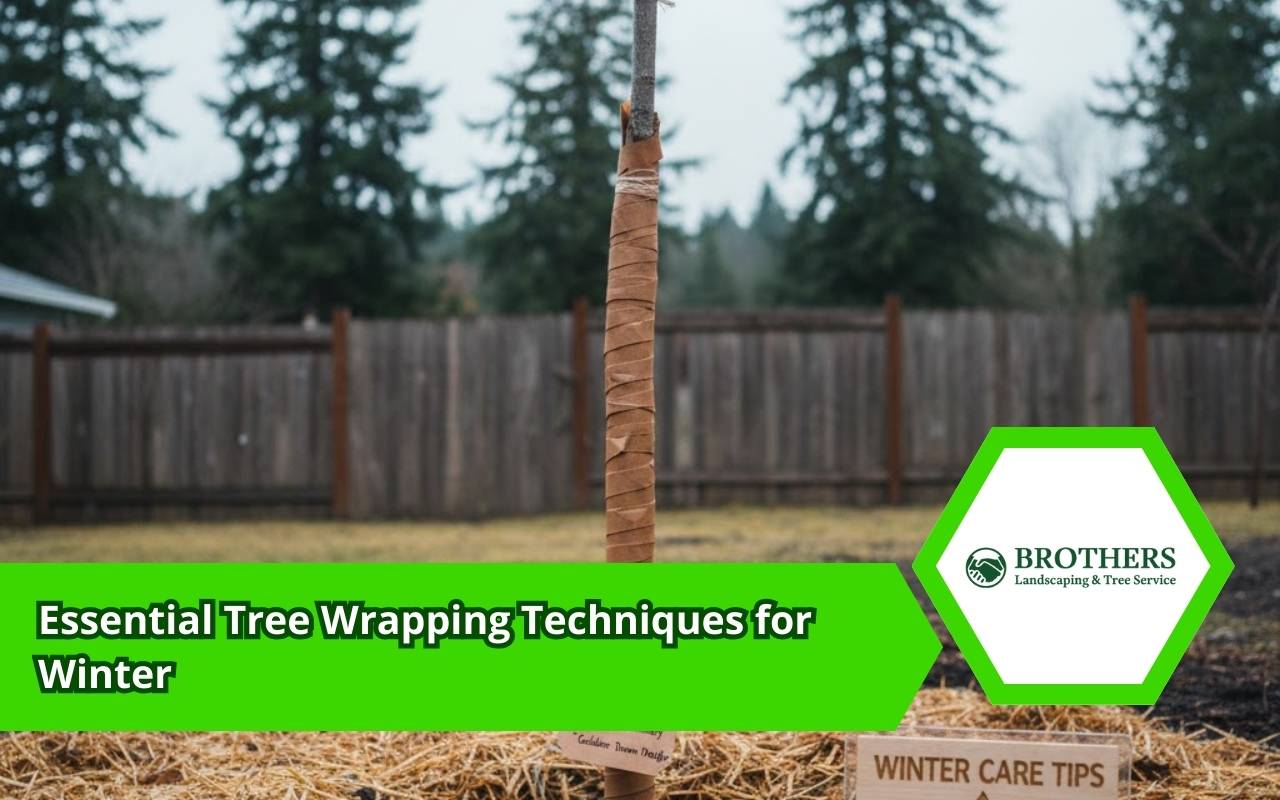
Tree wrapping techniques for winter help your landscape stay safe during cold months. This topic explains simple ways to guard trunks from frost and wind while keeping your yard healthy. It also shares clear steps for avoiding damage and protecting young trees with safe choices.
Understanding the Importance of Tree Wrapping in Winter
Tree wrapping techniques for winter keep bark stable during freezing days. These wraps support moisture balance and block harsh wind. They also stop animals from chewing tender bark. With basic insulation methods, your trees will face spring in better shape. Newer plantings benefit most because their bark is thin.
- Helps stop frost cracks
- Shields bark from cold wind
- Reduces animal chewing
By using steady care, you give each tree the chance to stay strong in every season.
Choosing the Right Materials for Tree Wrapping
Tree wrapping techniques for winter work best with safe materials. Burlap, tree guard tape, and soft foam wraps offer warmth without trapping moisture. These materials help you use insulation methods that stay gentle on bark. Always pick products designed for tree care.
- Check for UV-resistant labels
- Avoid plastic items not made for trees
- Choose breathable materials
Quality materials prevent issues and support healthy growth.
Preparing Your Trees for Wrapping
Tree wrapping techniques for winter start with simple prep. Trim loose branches and clear debris. This reduces pests and helps wraps stay smooth. A quick brush removes dust and allows the material to sit evenly on bark.
Measure the trunk to cut strips that fit well. This avoids moisture buildup and keeps coverage steady.
Proper Techniques for Wrapping Young Trees
Tree wrapping techniques for winter are vital for protecting young trees. Wrap from the base upward in a soft spiral. Keep the wrap snug but never tight. This lets the trunk shift with changing temperatures.
Tie the ends with gentle twine. Check monthly and adjust as the tree grows.
Effective Methods for Wrapping Mature Trees
Tree wrapping techniques for winter also aid older trees. You may not need full coverage. Instead, wrap thinner sections exposed to wind. Use wide burlap strips and overlap layers to form a steady barrier.
Secure with soft ties and keep the height even across similar trees.
Common Mistakes to Avoid When Wrapping Trees
Tree wrapping techniques for winter should stay loose enough to avoid girdling. Remove wraps once spring arrives or moisture may collect. Skip plastic and sticky tape because they can cause mold.
By choosing safe materials, you reduce risks and keep each tree sound.
Tips for Ensuring Proper Insulation and Coverage
Tree wrapping techniques for winter work best when you cover the south and west sides. These areas face warm sun and fast cooling. Add foam under burlap for extra warmth. Smooth wrinkles to stop ice pockets.
- Wrap sun-facing sides first
- Overlap edges for wind control
- Check for loose spots often
Monitoring Your Trees Throughout the Winter Season
Tree wrapping techniques for winter still need checks. Look for mold or loose spots and fix them early. Watch for animal activity and add mesh if needed. Routine visits help wraps stay secure.
Removing Tree Wrapping in Spring
Tree wrapping techniques for winter must be removed once days warm. Unwind the wrap gently and inspect bark. Clear debris and add light mulch for steady soil temperature.
Frequently Asked Questions
1. When should I start winter wrapping?
Begin once temperatures drop steadily and early frost appears.
2. How long should the wrap stay on?
Remove it in early spring to prevent moisture issues.
3. Can I use plastic for wrapping?
No, plastic traps moisture and harms bark.
4. Do all trees need wrapping?
Younger or thin-barked trees benefit most.
5. How often should I check wrapped trees?
Check every few weeks to correct loose or damp spots.
Maintaining Healthy Trees Year-Round
Tree wrapping techniques support long-term care. With steady steps, you reduce risks and help trees stay healthy. Use seasonal guides like seasonal tree care advice to stay consistent.
Explore related help such as more wrapping techniques and improve care with local tree service support. For added upkeep, visit careful trimming guidance. If you need assistance, use the contact page at Brother Tree Service.