
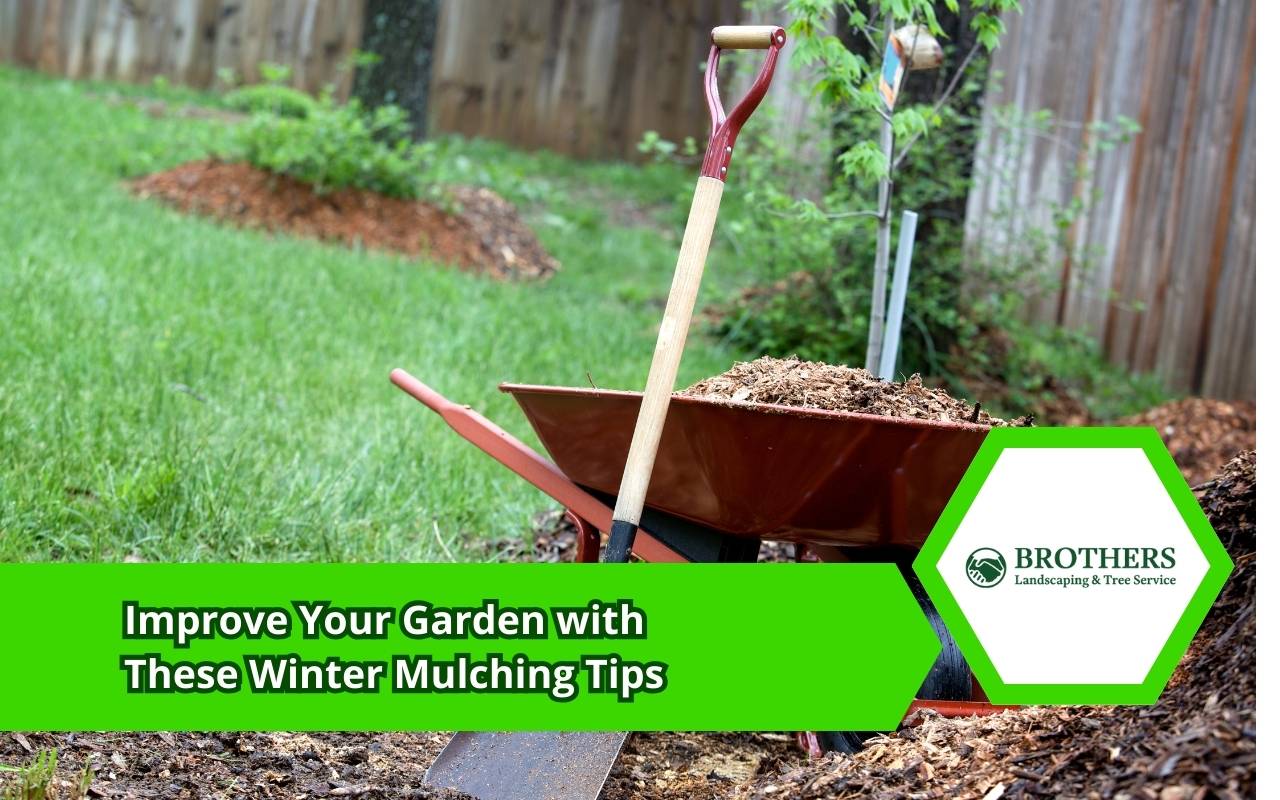
Prepare to upgrade your winter garden care with these winter mulching tips in Mason County. As cold months arrive, many gardeners feel unsure about keeping plants safe. The secret rests in simple mulch methods that guard roots from harsh weather and hold soil moisture. These steps also help stop weeds and support a strong spring bloom.
By selecting the best mulch types and using proper layering, you protect roots and prepare your garden for growth. Timing your mulch application is important because it ensures the soil gets insulation when it needs support. With the right steps, winter turns into a chance for renewal.
Benefits of Winter Mulching
Winter mulching offers many gains that go beyond covering soil. A steady mulch layer works like a warm blanket that slows sudden temperature swings. This softer shift helps stop frost heaves that lift plants from the ground and expose roots. These winter mulching tips in Mason County give your garden a calmer winter season.
As organic mulch breaks down, it adds nutrients back into the soil and helps helpful microbes thrive. This slow process keeps soil loose and ready for spring. You also reduce soil compaction from heavy winter rain or melting snow, giving new growth a better chance to rise.
Choosing the Right Mulch Types
Selecting the best mulch types will shape your winter success. Natural materials like shredded bark, straw, or leaves provide insulation and build soil as they break down. Stones or fabric can stop weeds but will not add nutrients, so choose based on your garden needs.
Wood chips last longer and break down slowly. Straw is simple to place but may blow away in strong winds. Leaves need shredding so they do not mat. Think about store supply, effort, and soil goals as you choose. You can also explore broader landscape support through our landscaping service Tacoma WA.
Layering Techniques for Effective Insulation
Proper layering keeps mulch working at its best. Aim for two to four inches of mulch. Too little gives weak insulation, while too much may smother roots. Begin with a thin layer of coarse material, then add finer mulch to lock in heat and reduce weeds. These simple steps keep your winter mulching tips in Mason County on track.
Keep mulch away from plant stems to prevent rot. Use sturdy materials in walking paths to avoid compaction. This method creates a steady cover that guards and feeds your garden.
Timing: When to Apply Mulch in Winter
Timing matters when using winter mulching tips in Mason County. Adding mulch too early traps leftover heat and may spark weak late growth. Wait until the first hard freeze to apply mulch so roots stay cold and firm without forming new shoots.
Most gardeners mulch in late fall once leaves drop and nights stay cold. Do not wait too long or frozen ground makes mulch settle unevenly. Watching local weather helps you act at the right moment.
Protecting Plant Roots from Harsh Temperatures
Mulch gives roots a steady shield against extreme cold. Without this cover, freezing and thawing can harm fine root hairs and weaken plants. A good mulch layer keeps soil at a stable temperature so perennials and shrubs stay healthy.
Mulch also holds moisture and blocks wind at soil level. Young plants and exposed areas need extra care. You can support root health further with a tree health benefits check to improve overall plant strength.
Retaining Soil Moisture During Winter
Cold winds and low humidity often dry soil. Mulch slows water loss by holding moisture near roots. This simple step reduces drought stress during mild winter thaws. Using winter mulching tips in Mason County for moisture care means less winter watering.
Leaf mold and compost-rich mulch keep water steady and support steady plant strength through the season.
Prevention of Weed Growth in Cold Months
Weeds can grow even in winter. A thick mulch layer blocks sunlight and stops weed seeds from sprouting. This barrier keeps beds cleaner and lowers spring chores.
Without mulch, early weeds establish and spread once warm weather comes. A steady mulch cover stops this problem before it begins.
Maximizing Spring Bloom with Winter Mulching
Winter mulch prepares soil for a lively spring. As organic mulch breaks down, soil becomes soft, moist, and full of nutrients. Bulbs and perennials push through easier and show stronger blooms.
Mulch that contains rich materials like leaves or aged compost feeds plants when they start growing. For added preparation, consider scheduling a seasonal tree inspection to boost early growth conditions.
Tips for Removing Winter Mulch in Preparation for Spring
When temperatures warm, start removing winter mulch. Loosen mulch once the soil thaws but before new shoots appear. Pull mulch back slowly to avoid harm.
Reuse old mulch by cleaning out weed fragments and adding the rest to compost piles. This eco-friendly step keeps beds clean and reduces waste.
Frequently Asked Questions
1. When should I apply winter mulch?
Apply mulch after the first hard freeze to protect roots without causing late growth.
2. What are the best mulch types for winter?
Shredded bark, straw, and leaves work well and add nutrients as they break down.
3. How deep should winter mulch be?
Keep mulch between two and four inches for steady insulation.
4. Does mulch help prevent winter weeds?
Yes, mulch blocks sunlight and stops weed seeds from sprouting.
5. Will winter mulch help my spring bloom?
Yes, mulch feeds soil, holds moisture, and prepares plants for strong spring growth.
Elevating Your Garden Care with Winter Mulching
Winter mulching is a simple step that protects your garden during cold months. By choosing the best mulch types, following proper layering, and using good timing, you create the right setting for plant success.
These winter mulching tips in Mason County help reduce weeds, save moisture, and prepare your garden for spring. Explore more guidance through our winter mulching tips page or contact us directly at our contact page for tailored support.